Thursday, October 22, 2026

How To Get Your Whole Team Fluent in Generative AI

 Generative AI

(BPT) - Key takeaways

  • Training only the leadership team in generative AI creates a bottleneck, because the wasted hours live on the front line.
  • Free courses from the AI companies are worth taking, and each one teaches a single platform.
  • AI products change month to month, so the timing of training matters as much as what it covers.
  • Certification gives a client something visible to trust.

A recent survey by Certified AI 360 found 84% of respondents said their company is not ready for AI. In most of those companies the tools are already paid for. The skills are the line item nobody budgeted.

The AI skills gap describes a company's paid tools and the employees who lack the skills to use them. It opens in a predictable way. An owner and a couple of managers try ChatGPT, CoPilot, Claude or another model, find it useful, and everyone else keeps working exactly as they did before.

Start With the People Doing the Work

Most AI rollouts begin at the top, because that is where the budget sits. The bottleneck shows up a quarter later, when the only fluent people in the building are the ones furthest from customer calls and proposals.

Sam Richter is co-founder and lead instructor of Certified AI 360, a Hall of Fame professional speaker who has trained more than 1 million business professionals worldwide.

"When two managers are the only ones trained, every AI idea in the building waits in line behind their calendars," said Richter. "The people writing the quotes and answering the phones know where the wasted hours are. Give them the skills and they will go find them."

Are Free AI Courses Enough to Train a Team?

Free AI courses are a real starting point, and each one teaches a single platform. Anthropic opened Claude Academy with free courses on AI fluency and workplace rollout on Aug. 20, according to EdTech Innovation Hub. OpenAI Academy publishes free self-paced courses on applying AI at work, and every major AI company now offers instruction on its own product. Subscription libraries such as LinkedIn Learning add breadth, bill per person per month and run on pre-recorded video.

An employee who finishes one of those courses knows one tool well. On a normal Tuesday that same employee may open Copilot in Outlook, Gemini in a shared document and ChatGPT on a phone.

What to Look For in Team Training

When considering team training options, prioritize these four factors:

  • Coverage of more than one platform, so people choose the right tool for the task at hand rather than the one the company happened to buy.
  • An update schedule you can see. A course recorded a year ago teaches habits the tools have already outgrown.
  • Lessons shaped like the job: a sales email that earns a reply, or a contract summarized before a Monday meeting.
  • Proof at the end that a customer can actually see.

Certified AI 360 is a whole-company AI training and certification program for small businesses, covering ChatGPT, Claude, Gemini, Copilot and every major AI platform. Training runs about 8 hours per employee. It's self-paced, the curriculum is updated weekly, and every employee who finishes earns an individual credential while company plans also earn a company badge.

"Eight hours is less than one workday, and any business can find that," said Richter. "What no business gets back is the customer who went with the competitor who answered faster and knew more."

Take the free 10-question AI readiness assessment and see how whole-company certification works at www.certifiedai360.com.

Important Health Screenings For Women Over 40

 womens health

The female body is an amazing machine. Strong, durable, soft, and beautiful, this vessel is unlike any other. As women age, their bodies can change in significant ways and as time goes by there is the potential for much to go wrong, and for certain health conditions to develop.

Due to this, it is important that all women get certain health screenings and at particular times. For women 40 and over, there are tests both appropriate and extremely important that need to be taken to ensure you maintain your optimal health and wellness.

Take charge of your life and your health by running through this checklist of important health screenings.

Why Health Screenings Are Important

Health screenings are put in place to help doctors check for diseases and conditions that can crop up as you age.

The aging process is one of the main catalysts for the development of illness because the immune and other bodily systems are slowing down. Though your body may be physically slowing down, your life certainly isn't. Don't get blindsided by a serious diagnosis or a life-altering condition by staying on top of important health screenings for women 40 and over.

One of the most important reasons for the existence of these screenings is that early detection often saves women s lives. One of the best examples of this is breast cancer.

The American Cancer Society cites this data from the National Cancer Institute s SEER database as to the 5 year relative survival rate of breast cancer patients in various stages of cancer. Stage 0 is early onset, and it graduates up to the most sever stage, which is, stage IV.

Stage 0 - 100%
Stage I - 100%
Stage II - 93%
Stage III -72%
Stage IV - 22%

As you can see, survival rates get lower and lower as stages progress. This is the key to early detection, and does ensure a much higher success rate for various treatment methods.

According to the National Breast Cancer Foundation, Stage 0 breast cancer, medically termed ductal carcinoma in situ (DCIS) is a non-invasive cancer that is characterized by abnormal cells that have grown in the lining of the breast milk duct. In Stage 0, the cancer cells have not yet spread to the surrounding breast tissue, and is considered to be very treatable. And this is where early screenings come into play because if not detected, and therefore treated early on, the cancer will spread to the surrounding tissue and result in the development of cancer into the more dangerous stages.

Necessary Screenings

Mammogram: A mammogram is performed to check the breasts for cancer. This procedure usually begins at age 40 and is performed every one to two years. If a woman has certain risk factors, such as, family history, mammograms may need to be performed more often.

Speak with your doctor about how often this procedure must be done and make an appointment as soon as possible. Women who neglect to get this screening may increase their risk of developing cancer or other problems and can miss out on all the benefits of early detection. It is better to be safe than sorry, so contact your doctor today.

Clinical Breast Exam: Complementary to a mammogram, a clinic breast exam is an extra precaution performed by a nurse, nurse practitioner, physician assistant or doctor. Though mammograms are quite effective, most women should use both exams to ensure optimal safety and assurance.

Women usually begin receiving this exam at age 20 and it is repeated every one to three years for women between 20 and 40 years of age. This test may be able to detect lumps and other signs of breast cancer. This same exam can be used at home by women to check for lumps or changes in breasts, and is referred to as a breast self-exam.

Pap Smear and Pelvic Exam: This exam checks for cervical cancer and usually begins at age 21 for most women, especially if they are sexually active. This procedure is meant to detect any signs of cervical cancer so that doctors can treat or possibly prevent the disease from developing. This procedure should be performed every three years unless recommended otherwise by your doctor.

Colonoscopy: This procedure is absolutely necessary for women over 40. The starting age is usually 50 unless otherwise specified by your healthcare provider. This screening involves the insertions of a long, flexible instrument into the rectum in order to view the inside of the colon. It may sound uncomfortable, but, this test is necessary for detecting signs of colon cancer such as polyps and other growths. Unless there are certain risk factors in place, this test is only needed once every 10 years.

For a complete list of women s health screening tests, speak with your doctor. Some women may require more tests than others while others may need less. It all depends on you as an individual and your medical and genetic health history.

Remember that as a woman, you have the responsibility to take care of your body and your life. Don t let health problems sneak up on you by being underprepared.

Stay on top of your medical care, and speak with your doctor, ask questions and remain in tune with your body to ensure your good health.

Wednesday, October 21, 2026

Hacienda Moraica


Hacienda Moraica is divided into two areas nestled amidst the lush greenery and vegetation of our countryside.

The remodeled manor, LA HEREDAD, is part of the original coffee plantation estate from 1945. It features 12 rooms with preserved elements, blending semi-colonial and bohemian designs. It’s a space where you can connect with the towering mountains and the peaceful sounds that will accompany you throughout your stay.

The VILLAS consist of 13 spacious, fully-equipped apartments, where you can enjoy a countryside retreat with family and friends, and take part in activities surrounded by mountains and nature.

Would you like to take a piece of Hacienda Moraica with you?

The best coffee story begins in the fields. It’s there where the passion for the land, coffee, and pride in hard work flourish. These values, combined with over 15 years of experience, have shaped our coffee selections with the highest quality control standards.

100% Arabica
Orocovis, Puerto Rico
Process: Washed and Sun-Dried
Notes: Tamarind, Citrus, Cinnamon, Nuts

Open to the general public on weekends, specializing in traditional Puerto Rican cuisine made with products from our harvest.

HOURS:

  • Friday: 12:00 PM-9:00 PM | Kitchen and Bar open until 10:00 PM
  • Saturday: 9:00 AM-9:00 PM | Kitchen and Bar open until 10:00 PM
  • Sunday: 9:00 AM-6:00 PM | Kitchen and Bar open until 7:00 PM

Brunch: Saturdays and Sundays from 9:00 AM-1:00 PM


Saturday, October 17, 2026

7877 Golf Circle Dr Margate, FL 33063 Condo For Sale

 Beautifully renovated 2-bedroom, 2-bath condominium located in a well-maintained 55+ community in Margate at Oriole Golf & Tennis. This move-in-ready residence features brand-new bathrooms, updated windows, and a bright enclosed porch offering serene city and golf course views ideal for relaxing or entertaining. The building includes convenient floor-level laundry facilities, additional storage, and has successfully completed its 50-year certification, providing added peace of mind. Residents enjoy a variety of amenities, including a swimming pool, tennis courts, and a vibrant, active lifestyle within a peaceful setting. Ideally situated near Fort Lauderdale and approximately 30 minutes from the beach, the location offers easy access to shopping, dining, and entertainment. A perfect blend of comfort, convenience, and community living.

LISTING DETAILS

 Roberto Tua
Realtor
Click Here to Search Properties
 
   954.292.7304  | RobertoTua @ keyes . com 
Residential & Commercial
1535 Three Village Road
Weston, FL 33326
Founding Member of LRE/LP | Forbes Global 

What's Your Home Worth?
Get three automated Estimates - Instantly.
No cost, and no obligation.

Friday, October 16, 2026

A Step-By-Step Guide to Changing Your Own Oil


(Family Features) Changing your vehicle’s oil is a crucial maintenance task that can extend its life and improve performance. It’s also a task many DIYers can handle on their own with just a few tools.

This step-by-step guide can help walk you through the process.

1. Gather Essential Tools and Materials
Before you begin, gather the necessary tools and materials, including:

  • oil filter wrench
  • drain pan
  • funnel
  • oil (refer to your vehicle’s manual for the recommended type and amount)
  • oil filter
  • wrench to remove the drain plug
  • rags and gloves
  • jack or jack stands

2. Prep Your Vehicle
Park your vehicle on a flat, stable surface and engage the parking brake. For better access, use a jack and secure it with jack stands.

Ensure the engine is cool to avoid burns from hot oil. Open the hood and locate the oil cap to help the oil drain more smoothly. Place a drain pan under the oil drain plug to catch the old oil.

3. Drain the Old Oil
Using a wrench, carefully loosen and remove the oil drain plug. Allow the old oil to drain completely.

Once the oil has stopped flowing, clean the plug and the area around it. Reinstall the drain plug and tighten it securely but avoid overtightening.

4. Replace the Oil Filter
Locate the oil filter underneath your vehicle and use an oil filter wrench to remove it. Be prepared for some oil to spill out. Place the filter in the drain pan for disposal.

Before installing the new filter, apply a small amount of new oil to the gasket to create a better seal and make it easier to remove during the next oil change. Screw the new filter into place by hand, making sure it’s snug but not overly tight.

5. Add New Oil
Place a funnel into the oil hole and pour the recommended amount of oil into the engine. After adding the oil, replace the cap and start the engine. Let it run for a few minutes then turn it off and wait a couple of minutes.

6. Final Checks
Check the oil level using the dipstick and add more oil if necessary. Also inspect the area under the vehicle for any leaks. Dispose of the old oil and filter properly.

Find more car maintenance advice at eLivingtoday.com.

Photo courtesy of Shutterstock

SOURCE:

eLivingtoday.com

What is the Florida Housing Market Doing Right Now?

 Happy Family Buys a Home in Florida

(BPT) - Key takeaways:

  • Data from Florida Realtors® shows the housing market is stabilizing.
  • Sustained sales, balancing inventory and steady pricing give buyers time to weigh options.
  • Homebuyers and Realtors® can find reliable data in reports from Florida Realtors®, with monthly housing reports led by Chief Economist Dr. Brad O'Connor.
  • Making a decision about buying a home is highly personal and can benefit from local expertise and guidance of a Realtor®.

After years of dramatic pandemic-era ups and downs and the transition period that followed, the 2026 Florida housing market has shown clear signs of stabilizing. According to data from Florida Realtors®, led by Chief Economist Brad O'Connor, Ph.D., today's market is becoming more balanced and predictable, bringing welcome news to homebuyers trying to make sense of mixed market signals.

"It's easy to focus on a single month's numbers, but headline statistics don't always tell the real story," said O'Connor. "Dramatic percentage swings can obscure the bigger picture. Looking at longer-term trends, with the proper context, provides a clearer view of current market conditions."

Here's a look at what's really going on with Florida real estate today.

What are signs of a stable housing market?

The pandemic-era real estate surge was followed by a period of declining sales as the market adjusted, revealing a market in transition. Today's story is different: a steadier, more predictable rhythm, supported by more than 10 months of:

  • Sustained year-over-year increases in closed sales
  • Inventory continuing to normalize
  • Pricing holding steady

Recent data reinforces those longer-term trends. According to Florida Realtors®, the number of total statewide existing single-family home sales in July was up 5% from the previous year, with existing condo-townhouse sales also up for the 11th straight month. Single-family home median sale prices were up 3.7% year-over-year. In another welcome sign, condo/townhouse median prices, which have seen challenges in recent years, are holding steady, remaining consistent with July 2025.

New pending sales and pending inventory have consistently risen year over year for single-family homes and condos/townhouses, as well, suggesting more positive activity ahead.

Today's market conditions give Floridians more room to make decisions based on their lives, not the latest headlines.

Is now a good time to buy a house in Florida?

No matter what state you live in, buying a home is one of the biggest financial decisions you can make. It's a long-term investment tied to stability, family and your future, and the best move is one that fits your needs.

A stable housing market matters because it gives buyers confidence. It reduces concerns that you need to rush into a decision or that market conditions could shift dramatically soon after you purchase a home.

"Florida's steadier market gives you time to take a good look at your family's needs, where you want to live and what you can comfortably afford," said Florida Realtors® 2026 President Chuck Bonfiglio. "Today's market conditions give Floridians more room to make decisions based on their lives, not the latest headlines. Ultimately, the right time to buy a home is when it's right for you."

Where can you find reliable statewide Florida real estate data?

Florida Realtors® provides the most comprehensive housing data and analysis in the state, making it a great place to start when trying to understand broader market trends. But because conditions can vary greatly by metro area, county and ZIP code, your local Realtor® can help you understand what's happening on the ground where you live.

The statewide data can tell you the direction the market is going, but local data from a trained expert who is fully immersed in your local community will help you make the right decision for you.

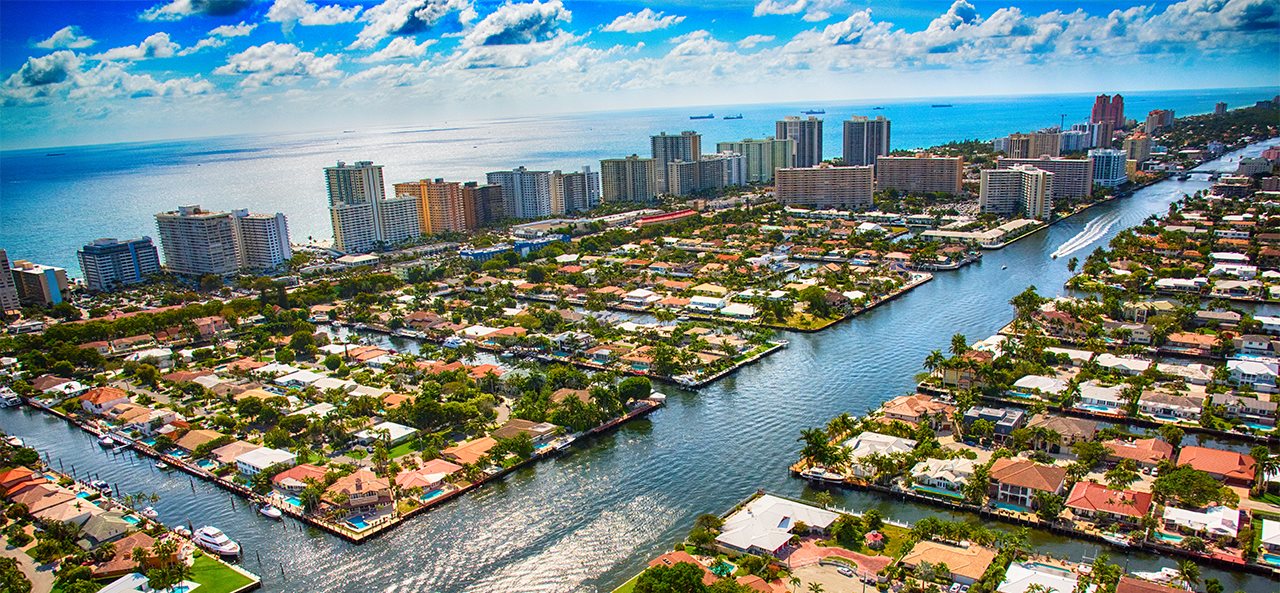
Aerial view of residential neighborhood in the Pompano Beach area of South Florida just north of Fort Lauderdale.
 

Do you need a Realtor® to buy a home in Florida?

Finding the best options for your family, navigating the real estate market, negotiating with a seller and managing the financial ins and outs of homebuying can all be daunting, and not just for first-time buyers.

Realtors® have the knowledge and experience to support families through every step. They help families understand local market conditions, weigh goals, break down costs (like insurance and mortgage) and find financial assistance programs to make homeownership more attainable. A Realtor® brings hyper-local expertise to the table, while advocating for your best interests throughout the process.

How do I know if it's the right time to buy a home?

Homebuying is an investment that can provide a family financial stability for generations, while also providing something less tangible but equally important: a place to put down roots and call home. On average, homeowners have a net worth roughly 40 times greater than the average renter.

But it's also a big commitment. Anyone interested in buying a home needs to weigh multiple factors, including their overall financial situation, where they want to live, how long they want to live there and their family's needs.

While the decision is highly personal, it helps to have guidance from a Realtor® who knows the market and understands the responsibilities and obligations as well as the advantages of homeownership.

"There are few investments that combine long-term financial growth with everyday stability the way homeownership does," said Bonfiglio. "Building equity creates real wealth over time, and predictable housing costs give families the confidence they need to plan for their futures, save and put down roots."

Frequently Asked Questions:

  • What's the median price of a Florida home?
    According to the Florida Realtors®, in July 2026, the single-family median price was $425,000, and the condo/townhouse median price was $295,000. With any purchase, ask about additional costs like potential HOA fees and homeowner's insurance. Find current pricing trends at FloridaRealtors.org.
  • What's going on with homeowner's insurance in Florida today?
    Bonfiglio explains that improvements in the property insurance industry followed significant reforms in 2022 and 2023. Twenty-one new carriers have entered the market, helping improve access and decrease rates. Homeowners can benefit from recent changes by shopping their policy at renewal time, or when they make home improvements.
  • Does it still make sense to buy a home in today's economy?
    Unlike rent, mortgage payments build equity and offer predictability, turning a necessary monthly housing cost into a long-term asset that can support future goals and offer flexibility as life changes.
  • Should I wait for mortgage rates to come down before buying a home?
    It's nearly impossible to predict where mortgage rates will go next. While they may move up or down over time, today's rates are closer to historical averages than the unusually low rates seen during the pandemic, and most experts don't expect 2-4% rates to return anytime soon. Waiting could mean delaying the opportunity to build equity through homeownership. The better question is not where rates will be six months from now, but whether buying a home makes sense for your needs and financial goals today.

"Purchasing a home can be one of the best investments you make when the time is right for your and your family's goals," said Bonfiglio. "But homeownership is about more than building wealth. It's about having a place to make your own and to build your future."

Learn more about the Florida housing market at FloridaRealtors.org.

Partido Popular Democrático


The Political Party That Shaped Modern Puerto Rico

Puerto Rico’s political history is closely connected to the Partido Popular Democrático (PPD), or Popular Democratic Party, one of the island’s most influential political organizations. Founded during a period of economic hardship and social change, the PPD helped transform Puerto Rico’s agricultural economy, expand public services, and establish the political framework that continues to shape debates about the island’s future. Known for its traditional red color and its iconic jíbaro, the rural Puerto Rican farmer who symbolizes the island’s working-class heritage, the party has played a central role in Puerto Rico’s government for generations.

The Founding of the Partido Popular Democrático

The Partido Popular Democrático was founded on July 22, 1938, by Luis Muñoz Marín, a journalist, writer, and political leader who would become one of the most important figures in modern Puerto Rican history. The party emerged during a time when poverty, unemployment, and unequal land ownership created enormous challenges for Puerto Rican families.

In the early twentieth century, Puerto Rico’s economy depended heavily on agriculture, particularly sugar production. Many rural workers lived in difficult conditions, earning low wages while working on large plantations. Economic hardship intensified during the Great Depression, creating widespread demand for political and social reform.

Muñoz Marín and his supporters believed that government should address the needs of ordinary Puerto Ricans, especially farmers, laborers, and impoverished rural communities. The PPD developed a populist message centered on economic opportunity, social justice, and improved living conditions. Its founding slogan, Pan, Tierra y Libertad—Bread, Land, and Liberty—expressed its commitment to meeting the basic needs of the population.

The party initially advocated significant reforms to improve land distribution, strengthen workers’ rights, and reduce the economic inequalities that had long affected the island.

The Rise of Luis Muñoz Marín

Luis Muñoz Marín became the leading figure of the PPD and helped turn it into a dominant political force. In 1940, the party achieved a major electoral breakthrough, winning control of the Puerto Rican Senate and establishing a strong position in the island’s government.

Muñoz Marín became Puerto Rico’s first democratically elected governor in 1948, following legislation that allowed residents to elect their own governor. He took office in January 1949 and served until 1965.

Under his leadership, the PPD pursued an ambitious program of economic modernization known as Operation Bootstrap. This initiative encouraged industrial development, attracted investment, expanded manufacturing, and sought to move Puerto Rico away from its dependence on agriculture.

The administration also supported improvements in education, housing, public health, infrastructure, and social welfare. These changes contributed to substantial economic and social transformation, although the benefits were not distributed equally, and industrialization also brought challenges, including the displacement of agricultural workers and migration to the mainland United States.

Muñoz Marín’s leadership helped establish the PPD as a defining force in Puerto Rican political life for much of the twentieth century.

The PPD and Puerto Rico’s Political Status

One of the most important aspects of the Partido Popular Democrático is its position on Puerto Rico’s relationship with the United States.

In 1952, Puerto Rico adopted its own constitution and established the Commonwealth arrangement, known in Spanish as the Estado Libre Asociado. The new system provided the island with greater local self-government while retaining its territorial relationship with the United States.

The PPD strongly supported this arrangement, arguing that it offered a practical balance between local autonomy and continued ties to the United States. Under the Commonwealth system, Puerto Ricans gained greater control over their internal affairs, including the election of their governor and legislature.

However, Puerto Rico’s political status has remained controversial. Critics argue that Commonwealth status does not provide the full sovereignty of independence or the equal federal representation associated with statehood. Supporters of statehood favor Puerto Rico becoming the 51st U.S. state, while independence advocates seek a separate sovereign nation.

The PPD has traditionally defended the Commonwealth relationship, although its positions and internal discussions have evolved over time. Some party members have advocated a more developed or enhanced form of self-government, contributing to continuing debates about what Puerto Rico’s future political arrangement should look like.
The Party’s Symbol, Colors, and Identity

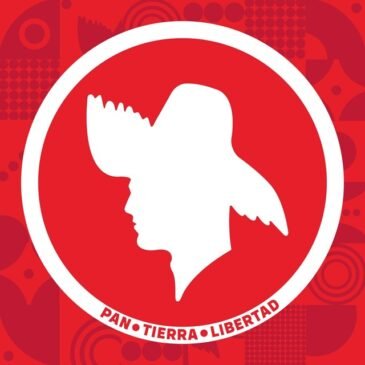
The PPD is traditionally associated with the color red and the image of a jíbaro wearing a pava, a traditional straw hat worn by Puerto Rican rural workers. The symbol reflects the party’s origins among farmers, laborers, and working-class families.

The jíbaro became a powerful representation of Puerto Rican identity, connecting the party to the island’s rural traditions, agricultural heritage, and cultural pride. The slogan Pan, Tierra y Libertad reinforced its original mission of improving the lives of ordinary citizens.

Although the party has changed considerably since its founding, its historical identity remains closely connected to social reform, Puerto Rican culture, and the promise of economic opportunity.

 
Political Challenges and the PPD Today

For decades, the PPD was one of the most powerful forces in Puerto Rican politics. However, its dominance gradually weakened as competing political movements gained support and voters became increasingly divided over economic policy, government performance, and the island’s political status.

The party has faced criticism over Puerto Rico’s continuing economic difficulties, public debt, population decline, and the limitations of Commonwealth status. Supporters emphasize its historic contributions to public education, infrastructure, workers’ rights, and local self-government, while critics question whether its traditional political model can adequately address the island’s contemporary challenges.

The PPD remains an important participant in elections and legislative debates. Its future depends partly on its ability to connect its historic commitment to social welfare with the concerns of younger generations, including affordable housing, employment opportunities, energy reliability, and the cost of living.

Puerto Rico’s political status remains central to the party’s identity. As voters continue to debate statehood, independence, and alternative arrangements, the PPD must explain how its vision of self-government can meet the aspirations of a changing population.

The Enduring Legacy of the Partido Popular Democrático

The Partido Popular Democrático occupies a distinctive place in Puerto Rico’s history. Founded in 1938 by Luis Muñoz Marín, it rose from a movement promising bread, land, and liberty to become the principal architect of a new era of economic development and constitutional self-government.

Its legacy is complex. The party helped modernize Puerto Rico and expand opportunities for many residents, yet the island continues to confront unresolved questions about economic equality, federal authority, and political identity.

More than eight decades after its founding, the PPD remains an important part of the island’s political landscape. Its history illustrates the close relationship between economic development, cultural identity, and the struggle for self-determination. Understanding the party provides valuable insight into how Puerto Rico became what it is today—and why debates about its future remain so consequential.