Friday, October 30, 2026

Afro Borinken Roots: Celebrating Puerto Rico's African Heritage


Keeping Puerto Rico's African Heritage Alive Through Music and Culture

Puerto Rico's cultural identity is a beautiful blend of African, Spanish, and Taíno influences. While each of these traditions has helped shape the island's history, African heritage has played a particularly important role in Puerto Rican music, dance, food, language, and everyday life. Today, organizations like Afro Borinken Roots Performing Group, Inc. are working to preserve these traditions and ensure that future generations understand and appreciate the African roots of Puerto Rican culture.

Based in Miami, Florida, Afro Borinken Roots is dedicated to celebrating and promoting Afro-Puerto Rican heritage through music, dance, cultural education, and community involvement. Its mission extends beyond entertainment, focusing on educating people about their ancestry while creating opportunities for local musicians and artists to share their talents.

Celebrating the African Roots of Puerto Rico

African influence is deeply woven into Puerto Rican culture. During the colonial period, enslaved Africans brought to the island contributed traditions, rhythms, instruments, dances, and customs that continue to influence Puerto Rican life today.

One of the most recognizable examples is Bomba, a traditional Afro-Puerto Rican musical and dance expression that developed among African communities on the island. Bomba is especially distinctive because the dancer communicates with the drummer, creating an interactive musical experience in which movement and percussion become part of a conversation.

Another important musical tradition is Plena, often described as the people's newspaper because its songs have historically shared stories about everyday life, community events, and social issues.

These traditions represent much more than music. They are expressions of identity, resistance, creativity, and cultural survival. Preserving them helps maintain a connection to the generations who shaped Puerto Rico's history.

Meet Jennie Delgado: Founder of Afro Borinken Roots

At the center of Afro Borinken Roots is its founder, Jennie Delgado, a Puerto Rican percussionist originally from Guayama, Puerto Rico, who is now based in Miami.

According to her biography, Delgado graduated from Miami International University of Arts and Design and developed an appreciation for musical rhythms from around the world. Although she initially began her musical journey playing guitar, her direction changed after attending her first drum circle at the age of 17.

That experience sparked a passion for percussion that would eventually take her around the world.

Throughout her career, Delgado has traveled and performed with several musical artists and groups, including Doctor Nativo, Fabi World Music, and Mofongo de Plena. She also performed at the Latin Grammy Awards for two consecutive years alongside Mr. Pauer.

Drawing from these experiences, Delgado established Afro Borinken Roots to create a platform where Puerto Rican cultural traditions could be shared, celebrated, and passed on to others.

Music, Dance, and Cultural Education

Afro Borinken Roots recognizes that keeping cultural traditions alive requires more than simply remembering the past. It requires active participation, education, and opportunities for people to experience those traditions firsthand.

Through performances, cultural presentations, and community activities, the organization helps introduce audiences to the sounds and traditions of Afro-Puerto Rican culture.

Music and dance provide an especially powerful way to connect people with their heritage. Whether someone grew up in Puerto Rico, belongs to the Puerto Rican diaspora, or is simply interested in learning about Caribbean culture, these experiences offer an opportunity to discover the island's African influences.

The organization also emphasizes creating employment opportunities for local musicians and artists, helping support the individuals who dedicate their talents to preserving traditional and contemporary cultural expressions.

Keeping Boricua Heritage Alive for Future Generations

For Puerto Ricans living outside the island, maintaining a connection to their heritage can be especially meaningful. Across the United States, Puerto Rican communities continue to celebrate their identity through festivals, music, food, dance, and cultural organizations.

Groups like Afro Borinken Roots help ensure that younger generations understand that Puerto Rican culture is much more than its familiar symbols and celebrations. Its African heritage is an essential part of the island's story and deserves recognition, appreciation, and preservation.

By bringing people together through music, education, and artistic expression, Afro Borinken Roots is helping keep these traditions alive while introducing them to new audiences.

Puerto Rico's cultural heritage is a living legacy, shaped by generations of people whose traditions continue to influence the island and its diaspora. Through the dedication of artists like Jennie Delgado, the rhythms and traditions of Borikén will continue to inspire future generations.

Learn More: Visit Afro Borinken Roots to learn more about its mission, founder, performances, and opportunities to support the preservation of Afro-Puerto Rican culture.

Sanse Takes Orlando 2027


¡Celebremos juntos en la Sanse Orlando el 24 de Enero de 2026!

Únete a la fiesta y sumérgete en la magia de las Fiestas de la Sanse en Orlando. Disfruta de la vibrante música en vivo que te transportará directamente a Puerto Rico, saborea la deliciosa comida típica puertorriqueña, explora coloridas artesanías y prepárate para sorpresas que harán que esta experiencia sea inolvidable.

¡No te pierdas la oportunidad de vivir la Sanse en su máxima expresión!

FAQS

Is there an entry fee?
Nope! The event is FREE, just bring your good vibes. 

What can I expect at the event?
Get ready for live music, exciting performances, great food, refreshing drinks, and plenty of surprises. Pure Boricua flavor all around. 

Are there any age restrictions?
This is a family-friendly event and everyone is welcome. To enjoy alcoholic beverages, you must be 21 or older. Please note: no coolers and no weapons allowed.

Will food and drinks be available?
Absolutely! You’ll find delicious food and drinks available for purchase throughout the event. 

Can I bring my own food or drinks?
Outside food and drinks are not permitted. Don’t worry—there will be plenty of tasty options on site to keep you satisfied. 

Is parking available on site?
Yes. On-site parking is available for $20 and is managed and charged directly by the Fairgrounds administration. 

Do you offer VIP options?
Yes! VIP tickets are available at pietix.com and include:
• Exclusive VIP entrance line
• Private VIP area with seating (first come, first served)
• Exclusive VIP restrooms

Upgrade your Sanse Orlando experience and enjoy the fiesta like a true VIP.


Thursday, October 29, 2026

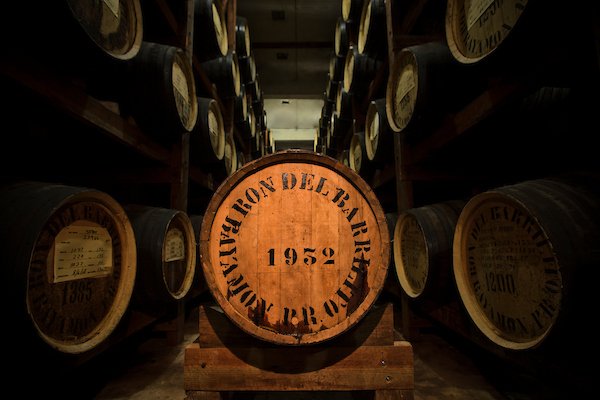
Ron del Barrilito


The Rich History of Puerto Rico’s Legendary Rum

Ron del Barrilito Hacienda and Visitor Center

Puerto Rico is famous around the world for its rum, and few brands represent the island’s rich heritage quite like Ron del Barrilito. Produced at the historic Hacienda Santa Ana in Bayamón, this distinctive spirit has been crafted for generations, earning a reputation among rum enthusiasts for its traditional production methods, carefully aged blends, and connection to Puerto Rican history.

With roots dating back to the 19th century, Ron del Barrilito is more than a drink. It is a story of family tradition, patience, craftsmanship, and the island’s enduring rum-making culture.

The History of Ron del Barrilito

The story begins in 1787, when the Spanish Crown granted Hacienda Santa Ana in Bayamón to the Fernández family. The estate originally operated as an agricultural property, with sugarcane playing an important role in its development. Like many Puerto Rican sugar plantations of the era, it eventually became associated with rum production.

In 1871, Pedro Fernández returned to Puerto Rico after studying engineering in France. His education and exposure to European traditions of aged spirits inspired him to develop a distinctive rum that emphasized quality, careful preparation, and extended aging.

Rather than simply producing rum for immediate consumption, Fernández sought to create a more refined spirit. After years of experimentation, he perfected the formula and production process that became Ron del Barrilito.

The year 1880 marks the official beginning of the brand as it is known today. The rum was initially served to family members and visitors at Hacienda Santa Ana, where its reputation gradually spread beyond the estate.

Where Did the Name “Barrilito” Come From?

One of the most interesting facts about this Puerto Rican rum is the origin of its name.

In Spanish, barrilito means “little barrel.” According to the brand’s history, the rum was traditionally served directly from a small barrel to guests visiting Hacienda Santa Ana. Visitors enjoyed the spirit so much that they began asking for more of the rum from that little barrel.

The nickname eventually became the brand name: Ron del Barrilito, or rum from the little barrel.

This simple tradition became a lasting part of the company’s identity and remains a reminder of the product’s beginnings as a special offering for guests rather than a mass-market beverage.

What Makes Ron del Barrilito Special?

Ron del Barrilito stands out because of its commitment to traditional craftsmanship. According to the company, its rum continues to be made using methods established in 1880, with production taking place at Hacienda Santa Ana.

The rum is aged in Spanish white oak barrels previously used for Oloroso sherry. These casks contribute depth, aroma, and complexity as the spirit matures. The company also states that it does not add sugar, artificial flavorings, or caramel coloring, allowing the rum's color and character to develop naturally during aging.

The Finest Sipping Rum+1

Another distinguishing feature is the brand's small-batch approach. Rather than focusing exclusively on large-scale production, Ron del Barrilito emphasizes consistency and careful blending.

[ Hacienda and Visitor Center

Understanding the Stars

The stars on the bottles help distinguish the brand's different expressions.

  • Two Stars: Introduced in 1933, this younger expression was developed for more everyday enjoyment and cocktails.
  • Three Stars: The original expression, dating to 1880, is the historic centerpiece of the brand.
  • Four Stars: Introduced in 2018, this limited-edition blend incorporates older rums, with components aged up to 20 years.
  • Five Stars: Also introduced in 2018, this limited-edition blend incorporates rums aged up to 35 years.

The Four Stars and Five Stars expressions marked the brand's first new products in nearly eight decades.

Ron del Barrilito stands out because of its commitment to traditional craftsmanship. According to the company, its rum continues to be made using methods established in 1880, with production taking place at Hacienda Santa Ana.

The rum is aged in Spanish white oak barrels previously used for Oloroso sherry. These casks contribute depth, aroma, and complexity as the spirit matures. The company also states that it does not add sugar, artificial flavorings, or caramel coloring, allowing the rum's color and character to develop naturally during aging.


Hacienda Santa Ana: A Historic Puerto Rican Landmark

One of the best ways to appreciate Ron del Barrilito is to visit Hacienda Santa Ana, the historic estate where the rum is produced.

Located in Bayamón, approximately 15 minutes by car from San Juan under typical traffic conditions, the hacienda offers visitors an opportunity to explore an important part of Puerto Rico's agricultural and industrial heritage.

The property features historic structures, including a preserved mansion and a windmill dating to the early 19th century. These landmarks provide a glimpse into the estate's agricultural past and its evolution into a celebrated rum-making destination.

In 2019, the company opened its visitor center to the public, making the estate accessible to rum enthusiasts, history lovers, and travelers interested in Puerto Rican culture.

Visitors can book guided heritage tours to learn about the Fernández family, explore the historic grounds, discover the rum-making process, and experience tastings of the brand's different expressions. Tour options and availability may vary, so checking the official website before visiting is recommended.

Location: Edmundo B. Fernández, Inc., Carretera 5, Km. 5.5, Bayamón, Puerto Rico 00961.

For tour information and reservations, visit the official Ron del Barrilito website

A Lasting Part of Puerto Rico's Rum Heritage

Ron del Barrilito represents an important chapter in Puerto Rico's long relationship with sugarcane and rum production. From its beginnings at Hacienda Santa Ana to its recognition among premium aged rums, the brand has maintained a distinctive identity rooted in family history and traditional craftsmanship.

Its story is also a reminder that Puerto Rican heritage can be experienced through historic buildings, local traditions, and products that have connected generations of island residents.

Whether enjoyed responsibly as a sipping rum or discovered during a visit to Hacienda Santa Ana, Ron del Barrilito offers an opportunity to explore Puerto Rico's cultural history through one of its most enduring spirits. For anyone interested in the island's rum-making traditions, this historic Bayamón destination is well worth discovering.


Established in 2025

Ylang Ylang Restaurant was created in November 2025 as the sister restaurant to the beloved Passiflora vegan restaurant, founded by Chef Loraine Arroyo over five years ago in Rincon. What began as a celebration of plant-based Caribbean cuisine has now expanded into a vibrant, meat-friendly and vegan-inclusive menu that honors local flavors, traditions, and creativity.

At Ylang Ylang, Chef Loraine brings her signature passion for bold, fresh, and soulful dishes-now paired with an elevated cocktail program inspired by Puerto Ricos own cacao, coffee, fruits, and locally sourced ingredients.

Nestled inside El Oasis Hotel, Ylang Ylang is part of a growing vision to create spaces where community, nostalgia, and island culture come together. El Oasis is a locally owned, locally staffed hotel dedicated to honoring the beauty of Puerto Rico through hospitality rooted in authenticity, warmth, and respect. Our mission is simple-craft meaningful experiences that feel like home while celebrating the richness of our Caribbean heritage.

Every plate, every drink, and every moment at Ylang Ylang carries the spirit of the island, the creativity of our team, and the heart of our community.

OUR MISSION

At Ylang Ylang, our mission is to celebrate the richness of Puerto Rican and Caribbean cuisine while honoring our community and culture. We create dishes that highlight local ingredients, support local farmers and artisans, and bring people together around the table. Our goal is simple offer food that feels like home, presented with creativity and soul.

OUR VISION

Our vision is to become a culinary destination where tradition and innovation meet-uniting vegan, vegetarian, and meat-friendly dishes under one roof. As part of El Oasis Hotel, we strive to build a space that uplifts local talent, preserves cultural heritage, and inspires unforgettable moments for guests and locals alike. We dream of a restaurant that grows with the community, stays true to its island roots, and becomes a cherished part of Aguada’s story.

Wednesday, October 28, 2026

Condado Palm Inn


Welcome to Condado Palm Inn San Juan, Tapestry Collection by Hilton

Located in the heart of San Juan's Condado area, the Condado Palm Inn is truly unique. A hotel that presents an eclectic combination of experiences that provide the business and leisure traveler with a personalized, casual atmosphere surrounded by Puerto Rico's exciting nighlife, sun drenched beaches and embedded withing a distinct community that lets them connect to the Island's cultural and historical background.

A Colorful Stay Near Condado Beach


Just one block from the beach, our hotel is a few minutes from dozens of restaurants, shopping, museums, and entertainment. We're five kilometers from Old San Juan and eight kilometers from Luis Muñoz Marin International Airport. We offer onsite dining, two pools, and a beach attendant providing chairs, towels, and water.

Explore

Local Shopping, Places to Eat, and an Island to Discover

The Condado Palm Inn is located in the heart of San and just one block away from the beach. Our convenient setting near Condado’s best shopping, restaurants and nightlife makes us the perfect starting point for experiencing San Juan. When planning your stay at Condado Palm Inn, our staff will be happy to recommend popular local attractions and things to do.

For an experience infused with the flavors, colors and energy of Puerto Rico, let Condado Palm Inn be a part of your stay!

Tuesday, October 27, 2026

NACOPRW 2026 National Convention


Join Us at Our Annual National Convention

November 6 to 8 2026
Condado Palm Inn
55 Condado Avenue
San Juan, PR 00908


Every year, the NACOPRW National Convention brings together members, leaders, professionals, students, and community advocates from across the country for a dynamic experience of learning, networking, and inspiration. Through workshops, keynote speakers, cultural celebrations, and leadership development opportunities, the convention strengthens our community and advances our shared mission.

This year’s theme, “Together We Are the Legacy of Puerto Rican Leadership, Advocacy, & Cultural Power,” celebrates the generations of Puerto Rican women whose leadership, resilience, and vision have shaped our communities across the island and the diaspora. Through dynamic panel discussions, cultural experiences, and advocacy-driven conversations, we will create an intentional space for connection, learning, and empowerment.

Together, we will honor our shared legacy while inspiring the next generation of leaders, strengthening relationships, and advancing the future of Puerto Rican women-led organizations. Your participation will add vibrancy to the tapestry of our comunidad and brings us one step closer to fulfilling our mission.

We look forward to coming together, celebrating our culture, and honoring our legacy—together in Puerto Rico this November!

If you’re traveling for our event, we do have a block of hotel rooms available at a special rate. Look for the link in the details when on the registration page.

MORE INFORMATION

NACOPRW 2026 Annual Convention


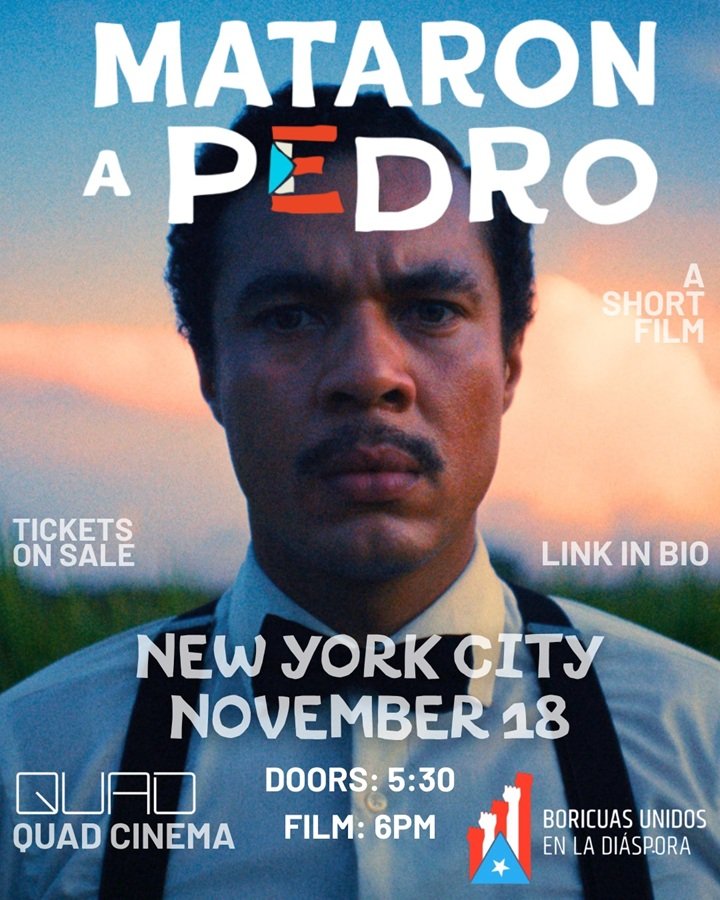
Mataron a Pedro Screening + Panel in New York City


November 18: Mataron a Pedro Screening + Panel in New York City

Mataron Pedro NYC

Join us next month for a screening of Mataron a Pedro, Kristian Mercado's award-winning short film about Puerto Rican independence leader Pedro Albizu Campos.

The film, which premiered at the Los Angeles Latino International Film Festival, will be followed by a panel with writer/director Mercado.

When: November 18. Doors open 5:30P M and screening starts promptly at 6:00 PM.

Where: Quad Cinema, 34 W 13th St, New York City

GET YOUR TICKETS TODAY

National Coquito Festival 2026


2026 National Coquito Festival

December 12, 2026 @ 6:00PM — 9:00PM Central Time

Workshop 4200
4200 W Diversey Ave, Chicago, IL 60639


Coquito (small coconut) is a rich, creamy coconut-based holiday drink with Puerto Rican origins. It is generally made with coconut milk, coconut cream, sweet condensed milk, rum, cinnamon, vanilla and cloves. The National Coquito Festival, in keeping with the mission of PRAA, was established in 2018 to promote and preserve the heritage of this iconic drink – and to draw people together during the holiday season in order to continue to nurture pride in our culture and traditions. This celebratory holiday festival features traditional food, music and Parrandas – with the main event being a coquito competition to find the best Coquito. Most Puerto Rican families have a treasured coquito recipe and they will boast that their Coquito is the best! This event gives volunteers an opportunity to showcase their family recipe in hopes of winning the contest and having official bragging rights for one entire year. Don’t miss out on this year’s raffle!

Purchase Your 2026 National Coquito Festival Tickets TODAY!

Join Us for the 9th Annual National Coquito Festival!

This is a fundraising event to support the Puerto Rican Arts Alliance's year-round youth music and arts educational programs.

Ticket purchase includes appetizers, beverages, a complimentary shot glass, Coquito tasting, live "parranda" music, dancing and of course Coquito! Stay tuned for more information. Cheers!

Parking is available via the alley behind Rincon Family Services. There is also ample street parking.

Tickets are $75 in advance, $100 at the door. Capacity is limited.


Saturday, October 24, 2026

San Sebastián Puerto Rico

 Located in the mountainous northwestern region of Puerto Rico, San Sebastián is a charming municipality known for its rich history, agricultural traditions, beautiful countryside, and strong connection to Puerto Rican culture. Often called San Sebastián del Pepino, the town offers visitors a glimpse into the island’s rural heritage, from its historic town center and traditional architecture to its celebrated festivals and scenic natural attractions.

Founding and Early History

San Sebastián was officially founded on September 12, 1752. Its early development was closely connected to agriculture, livestock raising, and the growth of small rural settlements in the western part of Puerto Rico. The area became known as El Pepino, a name traditionally associated with the distinctive shape of the local landscape. Over time, the settlement grew into an important community serving surrounding farms and rural neighborhoods.

The municipality’s founding is commonly associated with Cristóbal González de la Cruz, who helped establish the settlement. Like many Puerto Rican towns founded during the Spanish colonial period, San Sebastián developed around its central plaza and church, which became important gathering places for religious celebrations, community events, and public activities.

During its early years, the local economy depended heavily on agriculture. Coffee, tobacco, and other crops supported generations of residents, while cattle raising and small businesses contributed to the town’s development. Although modern industries and services have expanded the economy, agriculture remains an important part of San Sebastián’s identity.

 
Museo de la Hamaca

Town Colors and Local Identity

San Sebastián’s municipal identity is represented by its official flag and coat of arms, which reflect the town’s historical and cultural heritage. San Sebastián’s official flag uses red, green, and white, not yellow. Red represents the patron saint and the events of the 1868 Grito de Lares, green symbolizes the surrounding mountains, and the white wavy stripe represents the Culebrinas River. The municipality was founded in 1752, with Captain Cristóbal González de la Cruz recognized as its founder.

Residents are also proud of the town’s nickname, El Pepino, and its reputation for hospitality, music, traditional celebrations, and close-knit communities. These characteristics make San Sebastián an appealing destination for travelers interested in experiencing Puerto Rico beyond its major cities and resort areas.

Parroquia San Sebastián Mártir

One of the most important landmarks in the town center is Parroquia San Sebastián Mártir, the local Catholic church dedicated to Saint Sebastian, a Christian martyr traditionally honored for his faith and courage.

The parish reflects the central role that Catholicism has played in the history of Puerto Rican communities. Like many historic churches across the island, it serves as a place of worship and a gathering point for religious celebrations, including activities honoring the municipality’s patron saint.

The church’s location near the town center makes it a natural stop for visitors exploring the surrounding plaza and historic streets. Its religious significance connects the present-day community with generations of residents who gathered here for worship, baptisms, weddings, feast days, and other important occasions.

The patron saint of San Sebastián is San Sebastián Mártir, whose feast day is traditionally observed on January 20. Religious observances and local festivities help maintain the town’s cultural traditions and bring residents together.

Sites of Interest in San Sebastián

San Sebastián offers several attractions for visitors interested in history, nature, and local culture.

Plaza de Recreo and the Town Center: The central plaza is a good place to begin exploring San Sebastián. Surrounded by local businesses and civic landmarks, it offers an opportunity to experience everyday town life and appreciate the municipality’s traditional layout.

Gozalandia Waterfalls: Among the region’s best-known natural attractions, Gozalandia features waterfalls, natural pools, and lush tropical vegetation. The site attracts visitors who enjoy swimming, photography, and exploring Puerto Rico’s mountainous interior. Visitors should follow posted safety instructions, particularly after heavy rainfall.

Hacienda La Fe and Rural Landscapes: San Sebastián’s agricultural surroundings reflect the municipality’s historic relationship with farming and the countryside. Exploring the rural roads and nearby communities provides a closer look at the island’s western mountain region.

Local Festivals and Cultural Events: The town is especially known for its traditional celebrations and lively community gatherings. Music, food, crafts, and folkloric performances provide opportunities to experience Puerto Rican customs firsthand.

A Destination Worth Discovering

San Sebastián combines historical significance, religious tradition, agricultural heritage, and natural beauty. From the welcoming town plaza and Parroquia San Sebastián Mártir to the spectacular waterfalls and surrounding green hills, the municipality offers a rewarding experience for residents and visitors alike.

Whether exploring its colonial-era roots, attending a local festival, or spending a day enjoying the countryside, San Sebastián reveals an authentic side of Puerto Rico where community traditions and natural landscapes remain an important part of everyday life.


Friday, October 23, 2026

Richard R. Robles PA Attorney at Law

 Richard R Robles Attorney at Law 
Richard R. Robles, P.A.

The Law Offices of Richard R. Robles, P.A. was founded on February 26, 1998 in Miami, Florida. The firm provides legal services for both Florida and Puerto Rico. Our attorneys in Miami have represented clients in many high profile matters in a broad array of law including bankruptcy,  mergers and acquisitions, Fair Labor Standards Act litigation, federal employment discrimination cases to ephedra litigation, products liability, automobile accidents, slip and falls, and customs valuations and disciplinary proceedings, real estate broker disputes, contract disputes, interpleaders, and thousands of other matters. It is our understanding of the whole legal picture that sets us apart. Let our firm’s diversity, flexibility and experience be your guide.

Our Mission

Our mission at the Law Offices of Richard R. Robles, PA. is to efficiently achieve maximum results for our clients. We strive at providing excellence at a reasonable rate. We take pride in our work and our clients. We believe strongly in the causes in which we choose to engage.

Services Provided

The Law Offices of Richard R. Robles is a leading Miami bankruptcy law firm (and Puerto Rico) and Miami personal injury law firm. Our firm also practices in a variety of other areas, including real estate litigation and title, contractual and corporate matters, among others. Below is a list of many of the areas in which we practice and a brief description of that area. If you have a legal concern not listed below, please contact us. If we cannot help you, we will try to direct you to an attorney who can.

News & Notes

Please see featured news articles, notes and announcements concerning our law firm.  Please feel free to send us your comments. To see the list of our legal services please click here, to get more info about our contact information please visit our contact us section. The Law Offices of Richard R. Robles is ready to assist you, whether you need a bankruptcy lawyer in Miami, a personal injury lawyer in Miami, a real estate lawyer in Miami or an another area of practice.

Office Location
905 Brickell Bay Drive
Four Ambassadors
Tower II, Mezzanine, Suite 228
Miami, Florida 33131
E-mail: info@roblespa.com

Miami: (305) 755-9200
Broward: (954) 359-6700
Puerto Rico: (787) 281-9200
Facsimile: (305) 755-9270

Website: https://roblespa.com/

The New Tire-Buying Playbook: AI Insights Meet Human Advice


(Feature Impact) A tire purchase can start with a familiar moment: a dashboard warning light, a repair shop visit, worn tread or realizing the current set is nearing a mileage milestone. When it’s time to replace tires, drivers have more ways than ever to research options.

New research from Hankook Tire’s Gauge Index Survey found drivers are utilizing multiple methods for research, from search engines and AI assistants to asking someone they trust for advice. Two-thirds of respondents said they always or often research multiple sources before buying tires, suggesting many shoppers want to weigh several opinions before deciding to buy a new set, including turning to fellow drivers.

As tools like classic search engines and AI chatbots continue to evolve, the most useful strategy for tire shopping may be less about choosing between technology and human expertise, and more about knowing how each fits into the research process. Here are a few ways drivers can confidently conduct tire research.

Start broad then narrow the search.

For many drivers, the process begins online. One-quarter of respondents said they typically begin their tire research with a search engine, the most common starting point reported in the survey. Retailer or dealer websites are the next at 16%, followed by recommendations from a mechanic at 15%.

That range of starting points reflects how personal a tire purchase can be. A search engine can help a driver organize initial questions and identify the types of information they want to compare. Retailer and dealer sites offer another place to review available options – and reviews from other drivers. A mechanic can help put the vehicle and driver’s specific needs into context.

Drivers can also use their initial search to create a short list of requirements, such as tire size, type and available warranties.

Use AI as one research tool – but not the only one.

AI is a growing part of any research. About 4 in 10 drivers (42%) said they have used an AI tool to research or compare tires more than once. Another 11% said they have not used one yet but plan to the next time they buy tires.

Conversely, just 5% of respondents said an AI assistant or chatbot would be their typical first stop when researching tires, suggesting many drivers may add AI later in the process to help sort through information or frame comparisons.

AI can help turn a general concern into a clearer list of questions. A driver might use it to identify terms to research, compare categories of information or prepare for a conversation with a retailer, dealer or repair professional.

Keep trusted people in the research loop.

Despite drivers’ increased reliance on digital tools, trusted advice is still important. More than one-quarter of drivers said they would typically begin tire research with a recommendation from a mechanic (15%) or from friends or family (12%).

Friends and family may share firsthand experiences, while a mechanic may help a driver better understand the questions that matter for their vehicle. More than 1 in 5 respondents (21%) list advice from a repair shop among the top three reasons that would prompt them to buy new tires, showing the role professional guidance can play when a purchase becomes necessary.

Find the full survey and approach your next tire research process with clearer questions, more confidence and a better sense of what matters most for the road ahead at HankookTire.com.

Photo courtesy of Shutterstock

SOURCE:

Thursday, October 22, 2026

Investing in Education: 5 Ways to Prepare Students for the Jobs of Tomorrow


(Feature Impact) The landscape of modern work is changing rapidly, leaving many uncertain about whether they’re adequately equipped to face the future. Even though America invests roughly $1 trillion in education every year, it’s difficult to know whether that investment is truly preparing young people for what comes next.

“Our education system isn’t evolving quickly enough to prepare our students for the jobs of tomorrow,” said Amit Sevak, CEO of ETS, a global education and talent solutions organization working with more than 30 million students a year to measure learning success and power human progress at every stage of life. “Students only get one chance at an education, and we have a responsibility to understand what’s working, what’s not and where additional support is needed.”

A diploma is still an important milestone, but what matters more than the piece of paper is whether graduates have the knowledge, skills and confidence to take meaningful next steps in pursuing further education or building careers. Students, families, educators, employers and policymakers all have a role to play in cultivating these opportunities.

Start the Conversation Early

Success isn’t a single path anymore, so young people may benefit from thinking outside the traditional pipeline of high school to college to a good job to retirement. By prompting early conversations, parents can help their children begin sorting through their options well in advance. Encourage dinner table talks about favorite school subjects, what kind of work seems interesting and alternative pathways to build careers. The goal isn’t necessarily to choose a life track immediately – just to start exploring ideas before the time arrives to lock in a decision.

Learn to Work with AI

In the age of AI, there’s a balance to be found between fully embracing or avoiding it. Parents and educators can encourage thoughtful, responsible use of the AI tools reshaping modern workplaces – without sanctioning them as a way to get out of doing homework. Students should think critically about both the uses and limitations of AI, learning how these systems work but still recognizing when human judgment matters.

Get Real-World Experience Before Graduation

Textbooks and classrooms can teach a lot, but some of the most valuable lessons come from the real world. Summer jobs, internships, volunteering, co-op programs, job shadowing or small-scale forays into entrepreneurship can help kids discover where their talents and passions fit. It’s also a chance to develop the soft skills that make great employees, like being punctual, working well with others and adapting to new situations.

Build Human Skills

There are certain abilities technology just can’t replace, making them vital pieces of future-proof training. Strong communication, teamwork mindsets, critical thinking skills, civic reasoning and empathy translate well to many careers. Rather than focusing strictly on academics, teachers can shift lesson plans to encourage growth in these areas. Specialized hands-on talents and trades are also more insulated from technological disruptions.

Measure Progress Beyond Grades

Grades and test scores don’t tell the whole story about career readiness, yet they’re often treated as the only metric that matters in educational success. Policymakers have the opportunity to change how schools measure student progress, including by trading the one-size-fits-all rubrics for more personalized assessments that demonstrate proficiency in more comprehensive ways. Education is on the ballot this election season, so ask your local and state elected leaders about whether today’s graduates are ready to face the future.

For information about a system that gives students, educators and employers clear evidence that learning is leading to opportunity, visit ETS.org.

Photos courtesy of Shutterstock

SOURCE:
ETS

How To Get Your Whole Team Fluent in Generative AI

 Generative AI

(BPT) - Key takeaways

  • Training only the leadership team in generative AI creates a bottleneck, because the wasted hours live on the front line.
  • Free courses from the AI companies are worth taking, and each one teaches a single platform.
  • AI products change month to month, so the timing of training matters as much as what it covers.
  • Certification gives a client something visible to trust.

A recent survey by Certified AI 360 found 84% of respondents said their company is not ready for AI. In most of those companies the tools are already paid for. The skills are the line item nobody budgeted.

The AI skills gap describes a company's paid tools and the employees who lack the skills to use them. It opens in a predictable way. An owner and a couple of managers try ChatGPT, CoPilot, Claude or another model, find it useful, and everyone else keeps working exactly as they did before.

Start With the People Doing the Work

Most AI rollouts begin at the top, because that is where the budget sits. The bottleneck shows up a quarter later, when the only fluent people in the building are the ones furthest from customer calls and proposals.

Sam Richter is co-founder and lead instructor of Certified AI 360, a Hall of Fame professional speaker who has trained more than 1 million business professionals worldwide.

"When two managers are the only ones trained, every AI idea in the building waits in line behind their calendars," said Richter. "The people writing the quotes and answering the phones know where the wasted hours are. Give them the skills and they will go find them."

Are Free AI Courses Enough to Train a Team?

Free AI courses are a real starting point, and each one teaches a single platform. Anthropic opened Claude Academy with free courses on AI fluency and workplace rollout on Aug. 20, according to EdTech Innovation Hub. OpenAI Academy publishes free self-paced courses on applying AI at work, and every major AI company now offers instruction on its own product. Subscription libraries such as LinkedIn Learning add breadth, bill per person per month and run on pre-recorded video.

An employee who finishes one of those courses knows one tool well. On a normal Tuesday that same employee may open Copilot in Outlook, Gemini in a shared document and ChatGPT on a phone.

What to Look For in Team Training

When considering team training options, prioritize these four factors:

  • Coverage of more than one platform, so people choose the right tool for the task at hand rather than the one the company happened to buy.
  • An update schedule you can see. A course recorded a year ago teaches habits the tools have already outgrown.
  • Lessons shaped like the job: a sales email that earns a reply, or a contract summarized before a Monday meeting.
  • Proof at the end that a customer can actually see.

Certified AI 360 is a whole-company AI training and certification program for small businesses, covering ChatGPT, Claude, Gemini, Copilot and every major AI platform. Training runs about 8 hours per employee. It's self-paced, the curriculum is updated weekly, and every employee who finishes earns an individual credential while company plans also earn a company badge.

"Eight hours is less than one workday, and any business can find that," said Richter. "What no business gets back is the customer who went with the competitor who answered faster and knew more."

Take the free 10-question AI readiness assessment and see how whole-company certification works at www.certifiedai360.com.

Important Health Screenings For Women Over 40

 womens health

The female body is an amazing machine. Strong, durable, soft, and beautiful, this vessel is unlike any other. As women age, their bodies can change in significant ways and as time goes by there is the potential for much to go wrong, and for certain health conditions to develop.

Due to this, it is important that all women get certain health screenings and at particular times. For women 40 and over, there are tests both appropriate and extremely important that need to be taken to ensure you maintain your optimal health and wellness.

Take charge of your life and your health by running through this checklist of important health screenings.

Why Health Screenings Are Important

Health screenings are put in place to help doctors check for diseases and conditions that can crop up as you age.

The aging process is one of the main catalysts for the development of illness because the immune and other bodily systems are slowing down. Though your body may be physically slowing down, your life certainly isn't. Don't get blindsided by a serious diagnosis or a life-altering condition by staying on top of important health screenings for women 40 and over.

One of the most important reasons for the existence of these screenings is that early detection often saves women s lives. One of the best examples of this is breast cancer.

The American Cancer Society cites this data from the National Cancer Institute s SEER database as to the 5 year relative survival rate of breast cancer patients in various stages of cancer. Stage 0 is early onset, and it graduates up to the most sever stage, which is, stage IV.

Stage 0 - 100%
Stage I - 100%
Stage II - 93%
Stage III -72%
Stage IV - 22%

As you can see, survival rates get lower and lower as stages progress. This is the key to early detection, and does ensure a much higher success rate for various treatment methods.

According to the National Breast Cancer Foundation, Stage 0 breast cancer, medically termed ductal carcinoma in situ (DCIS) is a non-invasive cancer that is characterized by abnormal cells that have grown in the lining of the breast milk duct. In Stage 0, the cancer cells have not yet spread to the surrounding breast tissue, and is considered to be very treatable. And this is where early screenings come into play because if not detected, and therefore treated early on, the cancer will spread to the surrounding tissue and result in the development of cancer into the more dangerous stages.

Necessary Screenings

Mammogram: A mammogram is performed to check the breasts for cancer. This procedure usually begins at age 40 and is performed every one to two years. If a woman has certain risk factors, such as, family history, mammograms may need to be performed more often.

Speak with your doctor about how often this procedure must be done and make an appointment as soon as possible. Women who neglect to get this screening may increase their risk of developing cancer or other problems and can miss out on all the benefits of early detection. It is better to be safe than sorry, so contact your doctor today.

Clinical Breast Exam: Complementary to a mammogram, a clinic breast exam is an extra precaution performed by a nurse, nurse practitioner, physician assistant or doctor. Though mammograms are quite effective, most women should use both exams to ensure optimal safety and assurance.

Women usually begin receiving this exam at age 20 and it is repeated every one to three years for women between 20 and 40 years of age. This test may be able to detect lumps and other signs of breast cancer. This same exam can be used at home by women to check for lumps or changes in breasts, and is referred to as a breast self-exam.

Pap Smear and Pelvic Exam: This exam checks for cervical cancer and usually begins at age 21 for most women, especially if they are sexually active. This procedure is meant to detect any signs of cervical cancer so that doctors can treat or possibly prevent the disease from developing. This procedure should be performed every three years unless recommended otherwise by your doctor.

Colonoscopy: This procedure is absolutely necessary for women over 40. The starting age is usually 50 unless otherwise specified by your healthcare provider. This screening involves the insertions of a long, flexible instrument into the rectum in order to view the inside of the colon. It may sound uncomfortable, but, this test is necessary for detecting signs of colon cancer such as polyps and other growths. Unless there are certain risk factors in place, this test is only needed once every 10 years.

For a complete list of women s health screening tests, speak with your doctor. Some women may require more tests than others while others may need less. It all depends on you as an individual and your medical and genetic health history.

Remember that as a woman, you have the responsibility to take care of your body and your life. Don t let health problems sneak up on you by being underprepared.

Stay on top of your medical care, and speak with your doctor, ask questions and remain in tune with your body to ensure your good health.

Wednesday, October 21, 2026

Hacienda Moraica


Hacienda Moraica is divided into two areas nestled amidst the lush greenery and vegetation of our countryside.

The remodeled manor, LA HEREDAD, is part of the original coffee plantation estate from 1945. It features 12 rooms with preserved elements, blending semi-colonial and bohemian designs. It’s a space where you can connect with the towering mountains and the peaceful sounds that will accompany you throughout your stay.

The VILLAS consist of 13 spacious, fully-equipped apartments, where you can enjoy a countryside retreat with family and friends, and take part in activities surrounded by mountains and nature.

Would you like to take a piece of Hacienda Moraica with you?

The best coffee story begins in the fields. It’s there where the passion for the land, coffee, and pride in hard work flourish. These values, combined with over 15 years of experience, have shaped our coffee selections with the highest quality control standards.

100% Arabica
Orocovis, Puerto Rico
Process: Washed and Sun-Dried
Notes: Tamarind, Citrus, Cinnamon, Nuts

Open to the general public on weekends, specializing in traditional Puerto Rican cuisine made with products from our harvest.

HOURS:

  • Friday: 12:00 PM-9:00 PM | Kitchen and Bar open until 10:00 PM
  • Saturday: 9:00 AM-9:00 PM | Kitchen and Bar open until 10:00 PM
  • Sunday: 9:00 AM-6:00 PM | Kitchen and Bar open until 7:00 PM

Brunch: Saturdays and Sundays from 9:00 AM-1:00 PM


Saturday, October 17, 2026

7877 Golf Circle Dr Margate, FL 33063 Condo For Sale

 Beautifully renovated 2-bedroom, 2-bath condominium located in a well-maintained 55+ community in Margate at Oriole Golf & Tennis. This move-in-ready residence features brand-new bathrooms, updated windows, and a bright enclosed porch offering serene city and golf course views ideal for relaxing or entertaining. The building includes convenient floor-level laundry facilities, additional storage, and has successfully completed its 50-year certification, providing added peace of mind. Residents enjoy a variety of amenities, including a swimming pool, tennis courts, and a vibrant, active lifestyle within a peaceful setting. Ideally situated near Fort Lauderdale and approximately 30 minutes from the beach, the location offers easy access to shopping, dining, and entertainment. A perfect blend of comfort, convenience, and community living.

LISTING DETAILS

 Roberto Tua
Realtor
Click Here to Search Properties
 
   954.292.7304  | RobertoTua @ keyes . com 
Residential & Commercial
1535 Three Village Road
Weston, FL 33326
Founding Member of LRE/LP | Forbes Global 

What's Your Home Worth?
Get three automated Estimates - Instantly.
No cost, and no obligation.

Friday, October 16, 2026

A Step-By-Step Guide to Changing Your Own Oil


(Family Features) Changing your vehicle’s oil is a crucial maintenance task that can extend its life and improve performance. It’s also a task many DIYers can handle on their own with just a few tools.

This step-by-step guide can help walk you through the process.

1. Gather Essential Tools and Materials
Before you begin, gather the necessary tools and materials, including:

  • oil filter wrench
  • drain pan
  • funnel
  • oil (refer to your vehicle’s manual for the recommended type and amount)
  • oil filter
  • wrench to remove the drain plug
  • rags and gloves
  • jack or jack stands

2. Prep Your Vehicle
Park your vehicle on a flat, stable surface and engage the parking brake. For better access, use a jack and secure it with jack stands.

Ensure the engine is cool to avoid burns from hot oil. Open the hood and locate the oil cap to help the oil drain more smoothly. Place a drain pan under the oil drain plug to catch the old oil.

3. Drain the Old Oil
Using a wrench, carefully loosen and remove the oil drain plug. Allow the old oil to drain completely.

Once the oil has stopped flowing, clean the plug and the area around it. Reinstall the drain plug and tighten it securely but avoid overtightening.

4. Replace the Oil Filter
Locate the oil filter underneath your vehicle and use an oil filter wrench to remove it. Be prepared for some oil to spill out. Place the filter in the drain pan for disposal.

Before installing the new filter, apply a small amount of new oil to the gasket to create a better seal and make it easier to remove during the next oil change. Screw the new filter into place by hand, making sure it’s snug but not overly tight.

5. Add New Oil
Place a funnel into the oil hole and pour the recommended amount of oil into the engine. After adding the oil, replace the cap and start the engine. Let it run for a few minutes then turn it off and wait a couple of minutes.

6. Final Checks
Check the oil level using the dipstick and add more oil if necessary. Also inspect the area under the vehicle for any leaks. Dispose of the old oil and filter properly.

Find more car maintenance advice at eLivingtoday.com.

Photo courtesy of Shutterstock

SOURCE:

eLivingtoday.com

What is the Florida Housing Market Doing Right Now?

 Happy Family Buys a Home in Florida

(BPT) - Key takeaways:

  • Data from Florida Realtors® shows the housing market is stabilizing.
  • Sustained sales, balancing inventory and steady pricing give buyers time to weigh options.
  • Homebuyers and Realtors® can find reliable data in reports from Florida Realtors®, with monthly housing reports led by Chief Economist Dr. Brad O'Connor.
  • Making a decision about buying a home is highly personal and can benefit from local expertise and guidance of a Realtor®.

After years of dramatic pandemic-era ups and downs and the transition period that followed, the 2026 Florida housing market has shown clear signs of stabilizing. According to data from Florida Realtors®, led by Chief Economist Brad O'Connor, Ph.D., today's market is becoming more balanced and predictable, bringing welcome news to homebuyers trying to make sense of mixed market signals.

"It's easy to focus on a single month's numbers, but headline statistics don't always tell the real story," said O'Connor. "Dramatic percentage swings can obscure the bigger picture. Looking at longer-term trends, with the proper context, provides a clearer view of current market conditions."

Here's a look at what's really going on with Florida real estate today.

What are signs of a stable housing market?

The pandemic-era real estate surge was followed by a period of declining sales as the market adjusted, revealing a market in transition. Today's story is different: a steadier, more predictable rhythm, supported by more than 10 months of:

  • Sustained year-over-year increases in closed sales
  • Inventory continuing to normalize
  • Pricing holding steady

Recent data reinforces those longer-term trends. According to Florida Realtors®, the number of total statewide existing single-family home sales in July was up 5% from the previous year, with existing condo-townhouse sales also up for the 11th straight month. Single-family home median sale prices were up 3.7% year-over-year. In another welcome sign, condo/townhouse median prices, which have seen challenges in recent years, are holding steady, remaining consistent with July 2025.

New pending sales and pending inventory have consistently risen year over year for single-family homes and condos/townhouses, as well, suggesting more positive activity ahead.

Today's market conditions give Floridians more room to make decisions based on their lives, not the latest headlines.

Is now a good time to buy a house in Florida?

No matter what state you live in, buying a home is one of the biggest financial decisions you can make. It's a long-term investment tied to stability, family and your future, and the best move is one that fits your needs.

A stable housing market matters because it gives buyers confidence. It reduces concerns that you need to rush into a decision or that market conditions could shift dramatically soon after you purchase a home.

"Florida's steadier market gives you time to take a good look at your family's needs, where you want to live and what you can comfortably afford," said Florida Realtors® 2026 President Chuck Bonfiglio. "Today's market conditions give Floridians more room to make decisions based on their lives, not the latest headlines. Ultimately, the right time to buy a home is when it's right for you."

Where can you find reliable statewide Florida real estate data?

Florida Realtors® provides the most comprehensive housing data and analysis in the state, making it a great place to start when trying to understand broader market trends. But because conditions can vary greatly by metro area, county and ZIP code, your local Realtor® can help you understand what's happening on the ground where you live.

The statewide data can tell you the direction the market is going, but local data from a trained expert who is fully immersed in your local community will help you make the right decision for you.

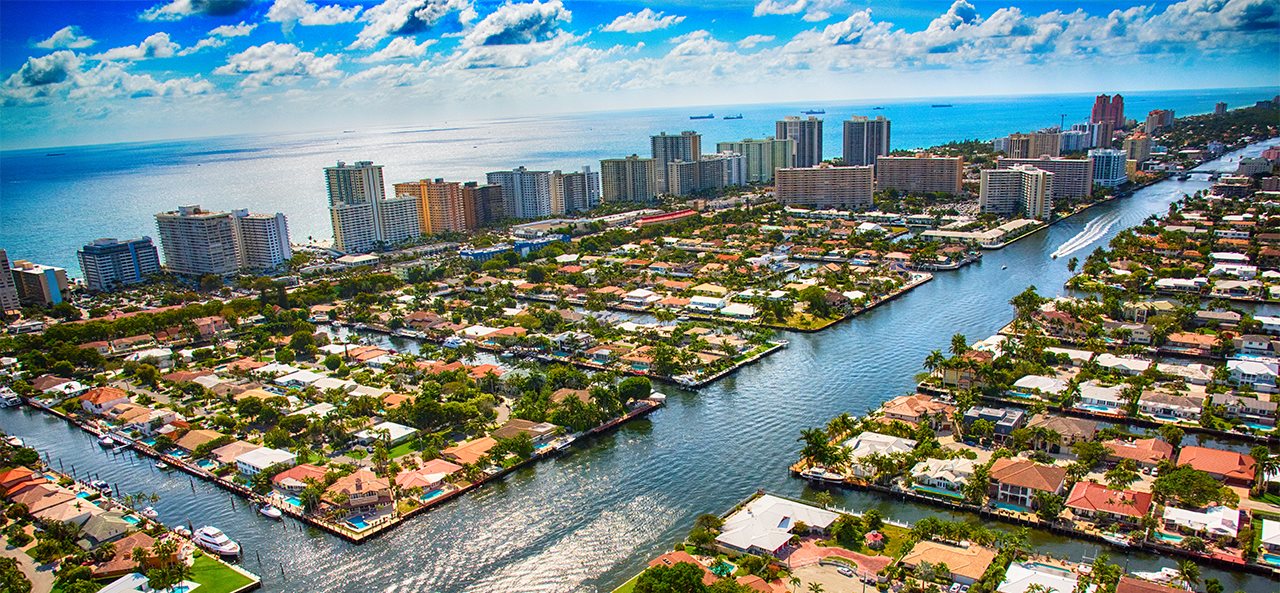
Aerial view of residential neighborhood in the Pompano Beach area of South Florida just north of Fort Lauderdale.
 

Do you need a Realtor® to buy a home in Florida?

Finding the best options for your family, navigating the real estate market, negotiating with a seller and managing the financial ins and outs of homebuying can all be daunting, and not just for first-time buyers.

Realtors® have the knowledge and experience to support families through every step. They help families understand local market conditions, weigh goals, break down costs (like insurance and mortgage) and find financial assistance programs to make homeownership more attainable. A Realtor® brings hyper-local expertise to the table, while advocating for your best interests throughout the process.

How do I know if it's the right time to buy a home?

Homebuying is an investment that can provide a family financial stability for generations, while also providing something less tangible but equally important: a place to put down roots and call home. On average, homeowners have a net worth roughly 40 times greater than the average renter.

But it's also a big commitment. Anyone interested in buying a home needs to weigh multiple factors, including their overall financial situation, where they want to live, how long they want to live there and their family's needs.

While the decision is highly personal, it helps to have guidance from a Realtor® who knows the market and understands the responsibilities and obligations as well as the advantages of homeownership.

"There are few investments that combine long-term financial growth with everyday stability the way homeownership does," said Bonfiglio. "Building equity creates real wealth over time, and predictable housing costs give families the confidence they need to plan for their futures, save and put down roots."

Frequently Asked Questions:

  • What's the median price of a Florida home?
    According to the Florida Realtors®, in July 2026, the single-family median price was $425,000, and the condo/townhouse median price was $295,000. With any purchase, ask about additional costs like potential HOA fees and homeowner's insurance. Find current pricing trends at FloridaRealtors.org.
  • What's going on with homeowner's insurance in Florida today?
    Bonfiglio explains that improvements in the property insurance industry followed significant reforms in 2022 and 2023. Twenty-one new carriers have entered the market, helping improve access and decrease rates. Homeowners can benefit from recent changes by shopping their policy at renewal time, or when they make home improvements.
  • Does it still make sense to buy a home in today's economy?
    Unlike rent, mortgage payments build equity and offer predictability, turning a necessary monthly housing cost into a long-term asset that can support future goals and offer flexibility as life changes.
  • Should I wait for mortgage rates to come down before buying a home?
    It's nearly impossible to predict where mortgage rates will go next. While they may move up or down over time, today's rates are closer to historical averages than the unusually low rates seen during the pandemic, and most experts don't expect 2-4% rates to return anytime soon. Waiting could mean delaying the opportunity to build equity through homeownership. The better question is not where rates will be six months from now, but whether buying a home makes sense for your needs and financial goals today.

"Purchasing a home can be one of the best investments you make when the time is right for your and your family's goals," said Bonfiglio. "But homeownership is about more than building wealth. It's about having a place to make your own and to build your future."

Learn more about the Florida housing market at FloridaRealtors.org.

Partido Popular Democrático


The Political Party That Shaped Modern Puerto Rico

Puerto Rico’s political history is closely connected to the Partido Popular Democrático (PPD), or Popular Democratic Party, one of the island’s most influential political organizations. Founded during a period of economic hardship and social change, the PPD helped transform Puerto Rico’s agricultural economy, expand public services, and establish the political framework that continues to shape debates about the island’s future. Known for its traditional red color and its iconic jíbaro, the rural Puerto Rican farmer who symbolizes the island’s working-class heritage, the party has played a central role in Puerto Rico’s government for generations.

The Founding of the Partido Popular Democrático

The Partido Popular Democrático was founded on July 22, 1938, by Luis Muñoz Marín, a journalist, writer, and political leader who would become one of the most important figures in modern Puerto Rican history. The party emerged during a time when poverty, unemployment, and unequal land ownership created enormous challenges for Puerto Rican families.

In the early twentieth century, Puerto Rico’s economy depended heavily on agriculture, particularly sugar production. Many rural workers lived in difficult conditions, earning low wages while working on large plantations. Economic hardship intensified during the Great Depression, creating widespread demand for political and social reform.

Muñoz Marín and his supporters believed that government should address the needs of ordinary Puerto Ricans, especially farmers, laborers, and impoverished rural communities. The PPD developed a populist message centered on economic opportunity, social justice, and improved living conditions. Its founding slogan, Pan, Tierra y Libertad—Bread, Land, and Liberty—expressed its commitment to meeting the basic needs of the population.

The party initially advocated significant reforms to improve land distribution, strengthen workers’ rights, and reduce the economic inequalities that had long affected the island.

The Rise of Luis Muñoz Marín

Luis Muñoz Marín became the leading figure of the PPD and helped turn it into a dominant political force. In 1940, the party achieved a major electoral breakthrough, winning control of the Puerto Rican Senate and establishing a strong position in the island’s government.

Muñoz Marín became Puerto Rico’s first democratically elected governor in 1948, following legislation that allowed residents to elect their own governor. He took office in January 1949 and served until 1965.

Under his leadership, the PPD pursued an ambitious program of economic modernization known as Operation Bootstrap. This initiative encouraged industrial development, attracted investment, expanded manufacturing, and sought to move Puerto Rico away from its dependence on agriculture.

The administration also supported improvements in education, housing, public health, infrastructure, and social welfare. These changes contributed to substantial economic and social transformation, although the benefits were not distributed equally, and industrialization also brought challenges, including the displacement of agricultural workers and migration to the mainland United States.

Muñoz Marín’s leadership helped establish the PPD as a defining force in Puerto Rican political life for much of the twentieth century.

The PPD and Puerto Rico’s Political Status

One of the most important aspects of the Partido Popular Democrático is its position on Puerto Rico’s relationship with the United States.

In 1952, Puerto Rico adopted its own constitution and established the Commonwealth arrangement, known in Spanish as the Estado Libre Asociado. The new system provided the island with greater local self-government while retaining its territorial relationship with the United States.

The PPD strongly supported this arrangement, arguing that it offered a practical balance between local autonomy and continued ties to the United States. Under the Commonwealth system, Puerto Ricans gained greater control over their internal affairs, including the election of their governor and legislature.

However, Puerto Rico’s political status has remained controversial. Critics argue that Commonwealth status does not provide the full sovereignty of independence or the equal federal representation associated with statehood. Supporters of statehood favor Puerto Rico becoming the 51st U.S. state, while independence advocates seek a separate sovereign nation.

The PPD has traditionally defended the Commonwealth relationship, although its positions and internal discussions have evolved over time. Some party members have advocated a more developed or enhanced form of self-government, contributing to continuing debates about what Puerto Rico’s future political arrangement should look like.

The Party’s Symbol, Colors, and Identity

The PPD is traditionally associated with the color red and the image of a jíbaro wearing a pava, a traditional straw hat worn by Puerto Rican rural workers. The symbol reflects the party’s origins among farmers, laborers, and working-class families.

The jíbaro became a powerful representation of Puerto Rican identity, connecting the party to the island’s rural traditions, agricultural heritage, and cultural pride. The slogan Pan, Tierra y Libertad reinforced its original mission of improving the lives of ordinary citizens.

Although the party has changed considerably since its founding, its historical identity remains closely connected to social reform, Puerto Rican culture, and the promise of economic opportunity.

 
Political Challenges and the PPD Today

For decades, the PPD was one of the most powerful forces in Puerto Rican politics. However, its dominance gradually weakened as competing political movements gained support and voters became increasingly divided over economic policy, government performance, and the island’s political status.

The party has faced criticism over Puerto Rico’s continuing economic difficulties, public debt, population decline, and the limitations of Commonwealth status. Supporters emphasize its historic contributions to public education, infrastructure, workers’ rights, and local self-government, while critics question whether its traditional political model can adequately address the island’s contemporary challenges.

The PPD remains an important participant in elections and legislative debates. Its future depends partly on its ability to connect its historic commitment to social welfare with the concerns of younger generations, including affordable housing, employment opportunities, energy reliability, and the cost of living.

Puerto Rico’s political status remains central to the party’s identity. As voters continue to debate statehood, independence, and alternative arrangements, the PPD must explain how its vision of self-government can meet the aspirations of a changing population.

The Enduring Legacy of the Partido Popular Democrático

The Partido Popular Democrático occupies a distinctive place in Puerto Rico’s history. Founded in 1938 by Luis Muñoz Marín, it rose from a movement promising bread, land, and liberty to become the principal architect of a new era of economic development and constitutional self-government.

Its legacy is complex. The party helped modernize Puerto Rico and expand opportunities for many residents, yet the island continues to confront unresolved questions about economic equality, federal authority, and political identity.

More than eight decades after its founding, the PPD remains an important part of the island’s political landscape. Its history illustrates the close relationship between economic development, cultural identity, and the struggle for self-determination. Understanding the party provides valuable insight into how Puerto Rico became what it is today—and why debates about its future remain so consequential.

Astrology Is For Everyone

 Astrology is for Everyone

Granted, the largest number of people who put the most focus into astrology are adult-aged women. Most women see themselves in terms of being both the "keeper" the one who is responsible for all of the other people in her life and her relationships with them; as well as having the generally-female characteristic of feeling that whether her life is good or bad, that it is her place to be in the position of affecting positive changes. It is primarily for these reasons that women make up the majority of astrology-seekers. Through astrology, women can learn more about themselves, their lives, their associates, and their futures; and, in gaining such knowledge, can be in the very beneficial position of assessing their personal strengths and weaknesses, which in turn will provide many opportunities for taking control of one's life.

Fewer men gain a serious interest in astrology. When they do, it is usually less a matter of wanting a general overview of their lives than of needing specific details and answers for specific questions or problems. Men are more likely to focus their interest in astrology on such topics as how to get a particular job, how to make business decisions, and questions about whether or not to relocate to a different area. All of these subjects can be brought up in an astrological reading, and he can find the answers or solutions which he needs in order to be better informed and make decisions which are most likely to have the best outcome for him.

Teenagers and young adults are often curious about astrology. Unfortunately, if they are not properly informed, they may hold the standard belief that astrology is basically about predicting the future and little more. Teens can be best aided by astrology by understanding that the scope of astrology goes far beyond simple predictions; and, even more important, that even predictions themselves are only a matter of what is "likely" to occur-- that the person himself or herself has a great ability to influence what actually does occur, by his or her own responses to the events which happen each day. Astrology works best when viewed as a map of possibility, over which the individual has much influence.

This can be a wonderful asset for any teenager or young adult who is at the stage in life where he or she wishes to make solid decisions and plans for the future. The first part is in seeing one's future predictions in terms of what is likely to occur, and to gain an understanding on how to affect changes to one's course of action in order to result in a positive outcome. Learning that one is not helpless, nor bound to a predetermined destiny, is a wonderful feeling for all but most especially for young people!

The second part of astrology which is very important to youth is being able to gain a deeper understanding into themselves their specific character traits and personalities. It can be a good feeling to learn that many others share similar qualities! And, for a young person who is not entirely comfortable with various aspects of his or her personality, realizing that it is within his or her own power to change the less desirable traits and strengthen those traits which appeal to him or her the most, will go a long way in granting a teenager or young adult the appreciated state of knowing it is within themselves to improve what they wish to improve and rely more heavily on the traits which give them the most potential for a happy, well-adjusted life.

Check Out Our Monthly Horoscopes

Arizona Puerto Rican Festival 2026


Event description

Indoors & Outdoors

Kids Court - Food Court -Vendors & More

Free Parking - Full Security - No Coolers - No Pets - No Re- Entry

Wheel Chair Accessible

Kids 16 & Under free

PRICE SUBJECT TO CHANGE AT DOOR...


STANDING ROOM ONLY

For Table Reservation's 6025541518Puerto Rican Festival 2026 Please join us Open Arms to all Nationalities'

Featuring Live Entertainment

Orquesta Salsa P.R

Orquesta With Carmela y Mas

Sya La Voz De Oro

Live Bachata & Merengue &Salsa

Guest DJ's

DJ Kilo & DJ Ves Direct From NYC

2027 Toyota Highlander Review


What to Expect From Toyota’s Popular Family SUV

2027 Toyota Highlander Exterior

The Toyota Highlander has long been a favorite among families looking for a comfortable, reliable, and practical midsize SUV. Known for its smooth ride, flexible passenger space, and reputation for dependability, the Highlander has earned a strong following among drivers who need everyday convenience without sacrificing comfort. With the arrival of the 2027 Toyota Highlander on the horizon, shoppers will be interested in how Toyota plans to keep this popular SUV competitive in an increasingly crowded market.

For families comparing three-row SUVs, the Highlander offers an appealing combination of everyday usability, modern technology, and the potential for long-term ownership value. However, buyers should distinguish between confirmed specifications and expectations for the new model year. Until Toyota publishes complete 2027 model details, some equipment, pricing, performance figures, and design changes may remain unconfirmed.

Exterior Design and Styling

The Toyota Highlander has traditionally featured a modern exterior with a bold front grille, sculpted body panels, and a confident SUV stance. The design balances family-friendly practicality with a refined appearance that works equally well in suburban neighborhoods, city traffic, and on long highway trips.

For 2027, shoppers will want to look for updates to the front fascia, headlights, wheel designs, and rear styling. Even modest exterior revisions could help the Highlander maintain its appeal against competitors such as the Honda Pilot, Kia Telluride, Hyundai Santa Fe, and Ford Explorer.

The Highlander's overall size also makes it a practical choice for families who want more room than a compact SUV provides without moving into a full-size vehicle. Its elevated driving position gives drivers a commanding view of the road, while the rear liftgate and wide cargo opening are useful features when loading groceries, sports equipment, luggage, or family travel essentials.

Engine Performance and Fuel Economy

Performance and efficiency are important considerations for any family SUV. Previous Highlander models have offered conventional gasoline and hybrid powertrains, giving buyers different options depending on their driving habits and fuel-saving priorities.

For the 2027 model, buyers should consult Toyota's official specifications to confirm which engines and hybrid configurations will be available. Until those details are announced, specific horsepower ratings, acceleration figures, towing capacities, and fuel-economy estimates should not be treated as confirmed.

A gasoline-powered Highlander would appeal to drivers who prioritize familiar performance and straightforward operation, while a hybrid version could be attractive to families who spend considerable time commuting or driving in stop-and-go traffic. Hybrid technology can reduce fuel consumption in suitable driving conditions, although actual results depend on traffic, weather, terrain, and driving style.

Regardless of powertrain, a well-rounded Highlander should deliver predictable acceleration, comfortable highway cruising, and manageable handling. These qualities are especially important for families who regularly travel with several passengers and a full load of luggage.

2027 Toyota Highlander

Interior Comfort and Passenger Space

Interior practicality has always been central to the Highlander's appeal. Its three-row layout provides seating for larger families, while the front and second rows are designed to accommodate everyday commuting, school runs, and longer road trips.

For 2027, buyers should pay particular attention to third-row legroom, seat comfort, and ease of access. These details can make a substantial difference for families who regularly transport older children or additional passengers. As with many midsize three-row SUVs, the rearmost seats may be better suited to children or shorter trips, depending on passenger size.

Cargo capacity is another important consideration. With all three rows in use, luggage space can be limited compared with larger SUVs. Folding the rear seats creates additional room for shopping, camping supplies, strollers, and other bulky items. Prospective buyers should test the seating and cargo arrangement in person to make sure it meets their needs.

Toyota will also need to provide a comfortable cabin with durable materials, convenient storage compartments, and thoughtful controls. These practical details often matter more to families than decorative touches alone.

Technology and Safety Features

Modern SUV buyers expect convenient connectivity and driver-assistance technology, and the Highlander has generally offered a range of features designed to make driving easier and more secure.

Depending on the final 2027 equipment lineup, shoppers should look for a touchscreen infotainment system, smartphone integration, USB charging ports, available wireless charging, and a digital driver display. The availability and size of these features will depend on the trim level and Toyota's confirmed specifications.

Safety is another major consideration. Toyota has equipped recent vehicles with Toyota Safety Sense technologies, which can include features such as pre-collision assistance, lane-departure alerts, adaptive cruise control, and automatic high beams. The exact features and capabilities offered on the 2027 Highlander should be verified against Toyota's official equipment list.

Families should also check for available blind-spot monitoring, rear cross-traffic alerts, parking assistance, and a surround-view camera system where offered. These technologies can help drivers manage the challenges of maneuvering a larger SUV, although they do not replace careful driving.

Expected Pricing and Trim Levels

The final price of the 2027 Toyota Highlander will depend on its trim levels, powertrain, optional equipment, and any changes Toyota introduces for the new model year. Buyers should also account for destination charges, dealer-installed accessories, taxes, and registration fees when comparing offers.

Toyota's traditional trim strategy has provided shoppers with a choice between value-oriented models and better-equipped versions featuring additional comfort, technology, and convenience features. Whether the 2027 lineup follows the same structure should be confirmed when official ordering information becomes available.

For the best value, compare the standard equipment included in each trim rather than focusing exclusively on the starting price. A model with the right safety features, seating configuration, and connectivity options may be a better long-term purchase than a less expensive version that requires several upgrades.

Final Verdict

The 2027 Toyota Highlander has the potential to remain a compelling option for families seeking a versatile three-row SUV. Its established strengths include everyday practicality, a comfortable driving experience, and Toyota's reputation for building vehicles intended for long-term ownership.

The biggest factors to evaluate will be the confirmed powertrain choices, real-world fuel economy, passenger and cargo space, updated technology, and final pricing. Buyers should also compare the Highlander with newer competitors before making a decision.

Overall, the 2027 Toyota Highlander is worth watching for families who value practicality and efficiency in a midsize SUV. However, a final buying recommendation should wait until Toyota releases the complete specifications, pricing, and equipment details for the 2027 model year.