Tuesday, March 24, 2026

From Toronto to San Juan, Four Canadians Reflect on Cultural Differences in Family Life, Law, and Wellness

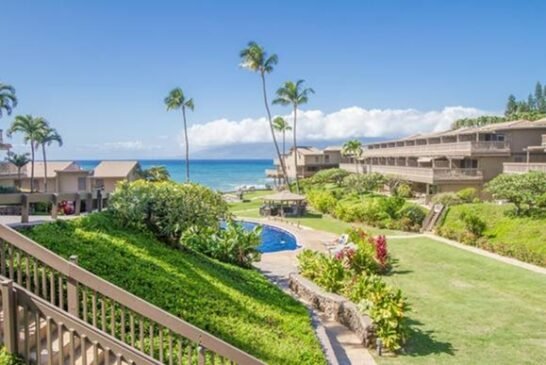
 Maui Vacation in Kahana

When you live in one place your whole life, you tend to assume that the way people work, parent, relax, and handle stress is basically the same everywhere. Then you travel, meet people, or spend time in a community that lives differently, and suddenly you notice things you never thought twice about.

That is exactly what happened when four Canadian professionals visited Puerto Rico and were asked what stood out to them the most. A wellness centre owner, a family lawyer, a criminal lawyer, and a corporate lawyer each experienced the island in their own way, and all four walked away with insights that say as much about Puerto Rico as they do about Canada.

Here is what they noticed.

Family Life Moves at a Different Rhythm

For Natalie Smith, a Brampton family lawyer with Kaur Law, family in Puerto Rico feels like the heart of the culture. It is not pushed to the margins or squeezed in after work. It is visible everywhere. Multi-generational families spending weekends together, cousins growing up side by side, grandparents playing a central role, and friends being treated like family.

“It feels like people make space for each other in a way that is harder to find in Toronto,” she said. She explained that Canadian families are often spread out, busy, or focused on schedules and routines. There is warmth, but it tends to appear in planned moments rather than spontaneous ones.

In Puerto Rico, she felt as if family life moved at a more natural, less pressured rhythm. Meals lasted longer. Conversations lingered. Kids ran around without everyone watching the clock. She said it was a reminder that family time does not have to be complicated or structured to matter.

A Different Approach to Relaxation and Stress

For Sumeet Brar, owner of Brampton Wellness Centre Ignite Health Clinic, she felt Puerto Ricans seemed to understand rest, community, and emotional connection in a way that many Canadians struggle with.

“In Canada, rest often feels like something you have to earn,” she explained. “In Puerto Rico, rest seems to be part of the culture, not something you apologize for.”

As someone who treats stress, burnout, and emotional fatigue in her clients every week, she found Puerto Rico refreshing. She saw people taking breaks without guilt, gathering with friends without rushing, and enjoying small pleasures without treating them like luxuries.

She believes it is partly cultural and partly climate-based. Warm weather encourages people to go outside, be active, socialize, and step away from their screens. In colder climates, it is easier to withdraw and get stuck in routines that are too fast and too full.

How the Legal System Shapes Daily Life Differently

For Amar Bhinder, a criminal lawyer with Polaris Legal Group based in Brampton, he had his own perspective on the differences between Puerto Rico and Canada, especially when it came to legal culture and how people interact with laws and institutions.

Amar, a frequent visitor, was struck by how much people in Puerto Rico rely on community networks rather than formal systems for everyday support. He explained that in Canada, people often use lawyers, mediators, or official services for conflict resolution, information, or help navigating problems. In Puerto Rico, he noticed a stronger emphasis on family, neighbors, and personal relationships as the first line of support.

“There is a trust in people before institutions,” he said. “In Canada, it is usually the opposite.”

He emphasized that one system is not better than the other. They simply reflect cultural differences in lifestyle, history, and expectations. Canadians tend to default to structure and predictability. Puerto Ricans tend to rely on connection, adaptability, and shared experience.

Business Culture, Communication Style, and Everyday Interactions

Brampton corporate lawyer Birpal Benipal offered a different angle. He was fascinated by the communication style in Puerto Rico. He said people were direct yet warm, confident but approachable. He noticed that conversations flowed more naturally, with fewer formalities and more storytelling.

“In Toronto, people often communicate with efficiency in mind,” he explained. “In Puerto Rico, it felt like people communicated with connection in mind.”

This difference influenced everything he experienced. Ordering food, asking for directions, discussing local businesses, even casual greetings felt more open and relaxed. The shift made him realize how much Canadians sometimes prioritize speed over warmth without even realizing it.

He also pointed out that the business culture seemed to blend professionalism with personality in a way he does not often see back home. Meetings and conversations were serious when they needed to be, but never so rigid that they lost their human side.

What They All Agreed On

Although each professional noticed something different, all four agreed that Puerto Rico offered a sense of presence that contrasted with the faster, more structured everyday life in Canada. People were more willing to pause. More willing to talk. More willing to spend time together without looking for the next task or distraction.

Sumeet summed it up by saying, “In Puerto Rico, people seem to live in their day. In Canada, people live in their schedule.”

Natalie said the visit made her think about how parents back home feel pressure to do everything right, everything on time, and everything independently. Seeing extended families help one another, she said, felt like a gentle reminder that raising kids is not meant to be a solo project.

Amar said he left feeling that Puerto Ricans trust each other in ways Canadians sometimes forget to. And Birpal said the experience made him rethink how he interacts with clients, colleagues, and even strangers.

Puerto Rico did not just give them sunshine and scenery. It gave them perspective. And that may be the most meaningful difference of all.
Monday, March 23, 2026

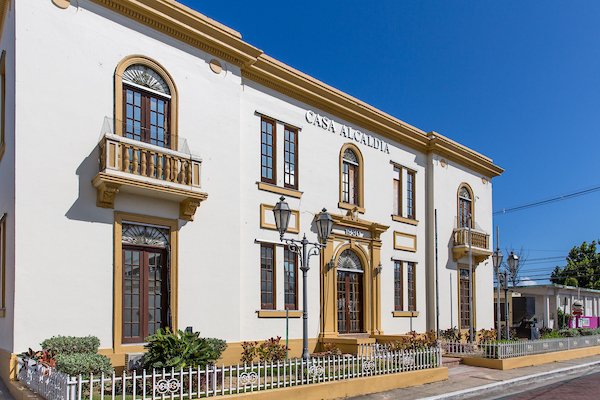
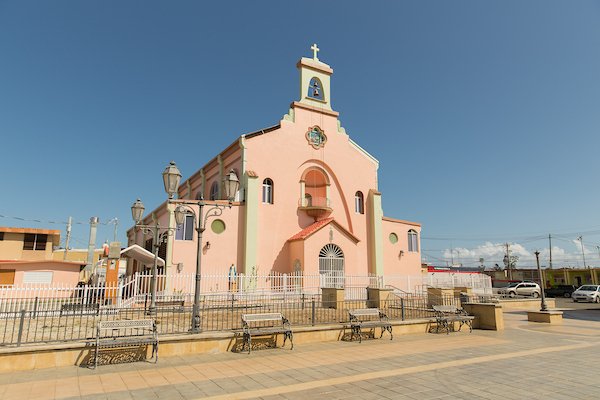
Maunabo: Where the Sun Rises on Puerto Rico's Southeastern Coast


Maunabo, a charming municipality gracing Puerto Rico's southeastern tip, is a place where time seems to slow, and the natural beauty of the island truly shines. Known as "La Ciudad del Tumbao" (The City of Rhythm) or "La Ciudad Tranquila" (The Tranquil City), Maunabo offers a genuine glimpse into authentic Puerto Rican life, far from the bustling tourist hubs. Its allure lies in its pristine beaches, verdant hills, and a rich history that dates back to its official founding on February 14, 1779.

The origins of Maunabo are intertwined with the expansion of agriculture and the need for new administrative centers in colonial Puerto Rico. Before its establishment as a separate municipality, the area was part of Humacao. As the population grew, driven by the cultivation of sugar cane, coffee, and tobacco, the need for a local government and church became apparent. The efforts of early settlers and landowners led to the formal separation, with Don Caletano Escudero credited as the town's founder. He, along with other prominent families, petitioned for the creation of a new town, seeking greater autonomy and closer proximity to essential services for their communities. The name "Maunabo" itself is believed to derive from a Taíno word, possibly meaning "place of the river," referencing the Maunabo River that flows through the region.

The early history of Maunabo was largely shaped by its agricultural economy. Sugar cane plantations dominated the landscape, and the labor of enslaved people and later, free workers, fueled the local economy. The town developed around its central plaza and the church, which quickly became the heart of community life. Over the centuries, Maunabo has retained its tranquil character, resisting rapid industrialization and preserving its natural landscapes. This slower pace of development has allowed its unique charm to endure, making it a beloved destination for those seeking peace and a connection to nature.

Maunabo proudly displays its town colors: blue and white. These colors symbolize the vast blue of the Caribbean Sea that borders its shores and the pristine white of its sandy beaches, reflecting the municipality's deep connection to its coastal environment. These hues can be seen on the municipal flag and various local emblems, serving as a constant reminder of Maunabo's identity.

For visitors and residents alike, Maunabo offers a variety of captivating sites of interest. Perhaps the most iconic is the Punta Tuna Lighthouse.

Perched dramatically on the southeasternmost point of the island, this historic lighthouse, built in 1892, offers breathtaking panoramic views of the ocean and coastline. It's not just a navigational aid but also a symbol of Maunabo's enduring spirit and a popular spot for photography and contemplation.

The beaches of Maunabo are another major draw. Playa de Punta Tuna, near the lighthouse, is known for its rugged beauty and excellent surfing conditions when the swells are right. For a more tranquil experience, Playa Larga (Long Beach) offers stretches of golden sand perfect for sunbathing, swimming, and leisurely strolls. The calm waters of Playa Los Pescadores (Fishermen's Beach) are ideal for families, and it's here that you can often see local fishermen bringing in their daily catch.

Beyond the coast, Maunabo's interior is characterized by rolling hills and lush vegetation, offering opportunities for hiking and exploring. The tranquility of the countryside provides a stark contrast to the lively atmosphere of other parts of the island, making it a perfect retreat for those seeking solace in nature.

The spiritual heart of Maunabo lies in its devotion to its patron saint, San Isidro Labrador (Saint Isidore the Laborer).

Revered as the patron saint of farmers, peasants, and rural communities, San Isidro Labrador's feast day is celebrated with great enthusiasm each May. The festivities include religious processions, traditional music, dancing, and local food, embodying the strong agricultural heritage of the town. This annual celebration is a vibrant display of community spirit and a testament to the deep-rooted traditions that continue to thrive in Maunabo.

In essence, Maunabo is more than just a dot on the map; it's a living, breathing community that cherishes its history, celebrates its natural beauty, and embraces a peaceful way of life. For those looking to experience the authentic charm of Puerto Rico, where the rhythm of the waves sets the pace, Maunabo awaits with open arms.


Saturday, March 21, 2026

2025 Ford Explorer Review

 The 2025 Ford Explorer delivers a much-needed refresh to this family-favorite SUV. It upgrades both its exterior and interior aesthetics, adds robust tech, and sharpens its driving experience—bringing it closer to current segment leaders.

2025 Ford Explorere Exterior

Design & Trims

Visually, the refreshed Explorer looks wider and more confident thanks to a modern grille, squared-off LED headlights, and sculpted contouring that updates the profile without a full redesign. Available black-painted roof options add a dash of style to the ST-Line, ST, and Platinum trims.

Ford has simplified the trim lineup to four: Active, ST-Line, ST, and Platinum—streamlining choice while offering distinct styling and feature tiers.

Performance & Capability

Under the hood, the Explorer retains familiar yet potent powertrains: a standard 2.3L turbocharged four-cylinder delivering 300 hp, and an optional 3.0L twin-turbo V6 with 400 hp—standard on the ST and available on the Platinum.

Fuel economy is competitive: rear-wheel drive yields an estimated 20/29 mpg (city/highway) with the four-cylinder, dropping to 18/25 mpg for the V6. Performance is strong—0–60 mph in around 6.8 seconds for the base engine and as quick as 5.2 seconds in the ST model.

Towing is practical, too, with a 5,000-pound capacity standard across trims thanks to a Class III hitch.

Cabin, Comfort & Tech

The headline of the 2025 update is inside: a completely revamped interior with a 12.3-inch digital instrument cluster and a 13.2-inch infotainment touchscreen, anchored by the new Ford Digital Experience system, based on Android Automotive.

This system introduces Google Maps, Google Assistant, the Google Play Store, and apps such as YouTube or Zoom for use when parked. Plus, Alexa integration, wireless Apple CarPlay and Android Auto are standard.

The cabin materials have also taken a step up: soft-touch surfaces, contrast stitching, and a clever “drop zone” tray with wireless charging lend a refined feel across all trims—especially noteworthy in Platinum, which shows off quilted leather with piping.

Space-wise, the Explorer offers generous legroom in the first two rows; the third row remains tight, better suited for kids, a common trait in this class. Cargo capacity is solid, with 16.3 cu-ft behind the third row, growing to 46 cu-ft behind row two and topping out around 85–88 cu-ft with rear seats folded down.

2025 Ford Explorere Interior

Technology & Safety

Along with infotainment, Ford packs in advanced safety and driver-assist features. The standard Co-Pilot360 Assist+ includes emergency braking, blind-spot monitoring, lane-keeping tech, and more.

Higher trims—ST-Line, ST, and Platinum—offer the hands-free BlueCruise 1.2 system, complete with a 90-day trial. Subscription rates hover around $700/year or $75/month. Safety also scores highly, with a five-star overall NHTSA rating.

Real-World Impressions

In a head-to-head comparison with the Honda Pilot, Edmunds gave the Explorer the edge for its sharper performance and tech-rich interior, though the Pilot offered a smoother ride, more cargo storage, and better rear comfort.

What’s Not Perfect?

Despite big strides, not everything hits the mark:

  • The third row remains cramped and less comfortable for adults.
  • Cabin quality, while improved, still trails behind more upscale competitors.
  • Ride can feel firmer than rivals, especially on bumpy roads.
  • Cargo space, while adequate, doesn’t match the very best in class.

Final Thoughts

The 2025 Ford Explorer marks a meaningful reset for a long-standing icon. It blends bold styling, powerful engines, trailer-ready capability, and a tech-forward cabin that finally rivals the competition. With its more refined interior, futuristic infotainment, and available hands-free driving, it’s a strong contender in the three-row SUV segment.

That said, if maximum cargo volume or third-row comfort are your top priorities, or if you crave a luxury-level cabin, you may still find better fits elsewhere. But for families and tech lovers craving sportier driving dynamics and modern flair, the new Explorer is undeniably a step up—and a stylish, connected choice for today’s SUV buyers.


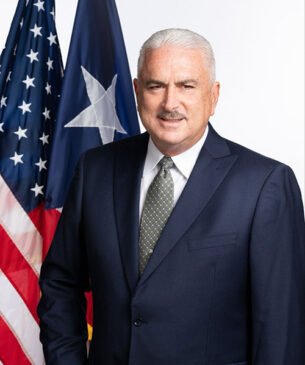
Hon. Thomas Rivera Schatz Presidente del Senado de Puerto Rico


El actual Presidente del Senado de Puerto Rico se encuentra en su tercer término como líder del Alto Cuerpo. Con una larga trayectoria de servicio público, el licenciado Rivera Schatz ha demostrado su liderazgo, consolidando su influencia política y su rol clave en la creación y aprobación de legislación fundamental para el desarrollo económico, social y político de Puerto Rico.

Heredó de sus padres su vocación por el servicio público, además de su integridad y compromiso, principios morales que son la base de sus ejecutorias. Su formación académica incluye un Bachillerato en Ciencias Políticas Magna Cum Laude de la Universidad Interamericana de Puerto Rico y un grado de Juris Doctor, con honores, de la Facultad de Derecho de la misma Universidad.

Inicia su carrera profesional como servidor público en 1993, como asesor en el Senado y en la Cámara de Representantes de Puerto Rico. En 1996 fue designado Fiscal del Departamento de
Justicia. En el año 2000 es nombrado Comisionado Electoral del Partido Nuevo Progresista (PNP) y en el 2004 es nombrado Secretario General del PNP, cargos que desempeñó simultáneamente hasta el 11 de agosto de 2007, cuando radica su candidatura al Senado de Puerto Rico por Acumulación.

Fue electo Senador por Acumulación en el 2008, cuando sus pares lo escogen como el decimocuarto Presidente del Senado de Puerto Rico, cargo que ocupó hasta el 31 de diciembre de 2012. En el 2013 es reelecto como Senador por Acumulación. Ese mismo año, es electo como Primer Vicepresidente del PNP.

En 2016, se postula al Senado por Acumulación y es reelecto. Nuevamente sus compañeros Senadores lo eligen como Presidente del Senado. Obteniendo de nuevo un amplio respaldo del electorado, el 5 de noviembre de 2024 revalida como Senador por Acumulación y la Delegación de Mayoría lo escoge como Presidente del Senado de Puerto Rico. Es el primer Senador en la historia de Puerto Rico en presidir el Senado en tres ocasiones, a lo largo de diferentes cuatrienios.

Durante su carrera legislativa ha presentado Proyectos de Ley fundamentales para el desarrollo socioeconómico de Puerto Rico y el bienestar del pueblo puertorriqueño, abarcando temas como: mejorar la educación pública, reformar el sistema de salud, optimizar la infraestructura energética, promover la creación de empleos, fortalecer el sistema judicial, promover la transparencia gubernamental, ampliar la seguridad pública, la modernización de la Ley Electoral, mejorar los beneficios para la clase obrera; así como la implementación de políticas fiscales y económicas, en beneficio del pueblo, todo ello a través de reformas que promueven el bienestar y la equidad social.